
AI Flood Risk Lagos Real Estate: What Developers Must Know
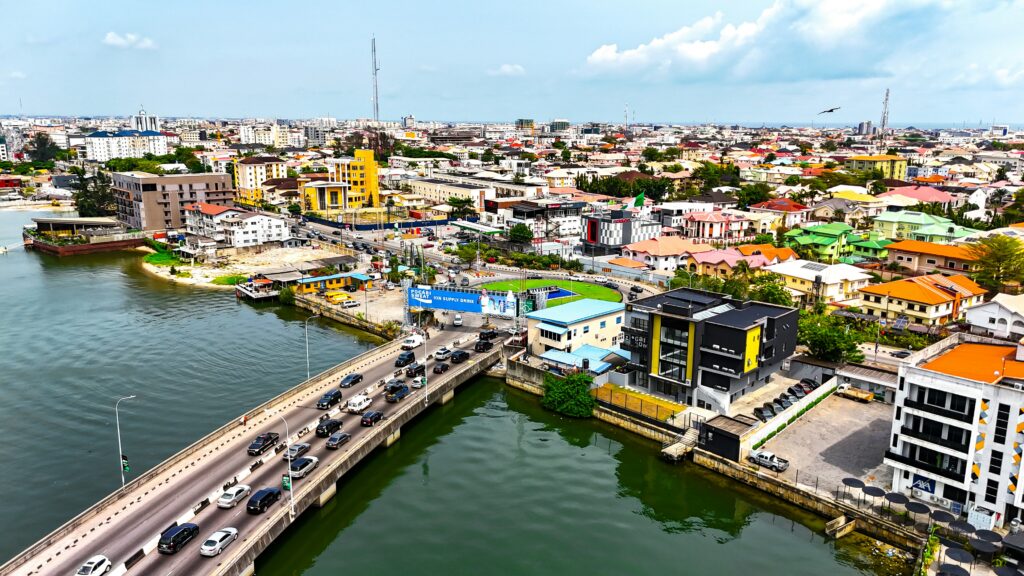
The deployment of AI flood risk systems in Lagos real estate marks a turning point for developers and investors across Nigeria.
Something important happened in Lagos this week that every property developer and investor in Nigeria needs to pay attention to.
The Lagos State Government has begun deploying artificial intelligence technology to detect early warning signs of flooding across the state. This is not just a government technology story. For Nigerian real estate, it changes everything about how flood risk is understood, priced, and planned for.
Why Lagos Is Uniquely Vulnerable
Lagos has always lived with water. The state shares 187 kilometres of its borderline with the Atlantic Ocean. Twenty-five percent of its landmass is water. Areas like Lekki were originally developed from reclaimed swamps.
Every rainy season, flooding disrupts communities, damages property, spreads disease, and destroys economic activity. The question has never been whether Lagos floods. The question has always been what Lagos does about it.
Now, the answer is changing.
What the AI System Does
The new system uses artificial intelligence and real-time monitoring tools to track water levels and detect early signs of flooding across Lagos. It enables continuous surveillance of drainage channels and waterways statewide.
This marks a shift from reactive flood management to predictive, data-driven intervention. Instead of responding after streets are already underwater, authorities can now identify flood risk before it materialises. Communities, developers, and emergency services get time to act, not just react.
The government has also deployed a dedicated flood abatement team working around the clock to clear drainage systems. According to the Lagos Commissioner for Environment, effective drainage management alone could address up to 50 percent of flooding challenges in the state.
What This Means for Property Developers and Investors
Here is where this story becomes critical for anyone with money in Lagos real estate.
With AI-driven flood data now available at the state level, developers can no longer claim ignorance about the flood risk of their development sites. Properties built in high-risk zones will face growing scrutiny from insurers, investors, and buyers who now have access to better data.
Insurance costs will also shift. As flood risk data becomes more reliable, insurance companies will price that risk more accurately. Properties in high-risk zones will see premiums rise or coverage become harder to obtain. Properties designed with flood resilience built in will benefit from the opposite.
Furthermore, buyer behaviour is evolving. There is already an AI-powered platform that allows Lagos residents to check the flood risk of any address in seconds. As tools like this become mainstream, buyers and renters will increasingly factor flood risk into their decisions, rewarding developers who build on safe ground with climate-resilient design.
Climate Driven Flood Risk and Nigeria’s Property Future
Niger Flooding Real Estate Crisis: Lives Lost, Futures Drowned
The Opportunity Hiding in the Data
Lagos deploying AI to fight flooding is not just a warning for developers. It is also an opportunity.
Smart developers will use this data to make better decisions. Build climate-resilient estates in lower-risk zones. Design flood-resistant foundations and drainage into every project. Integrate green infrastructure, permeable surfaces, elevated structures, and wetland buffers into development plans from the start.
These are not expensive aspirations. They are practical decisions that will determine which real estate developments in Lagos hold their value over the next decade and which ones become liabilities.
Conclusion
For developers, investors, and homeowners, the message is no longer optional, it is urgent. Flood risk data is becoming more accurate, more accessible, and more influential.
The market will use this data.
Insurers will use this data.
Buyers will use this data.
And increasingly, regulation will follow it. The real question is not whether this shift will happen, but who will position early enough to benefit from it.
At Green Realty Africa, we see climate intelligence not as a trend, but as a structural shift shaping the future of real estate in Nigeria. The developers and investors who understand this early will not just avoid risk, they will define the next phase of the market.
Lagos has taken the lead.
The opportunity now is for others to move ahead of the curve.