
Building Smarter in Nigeria’s Housing Market Today
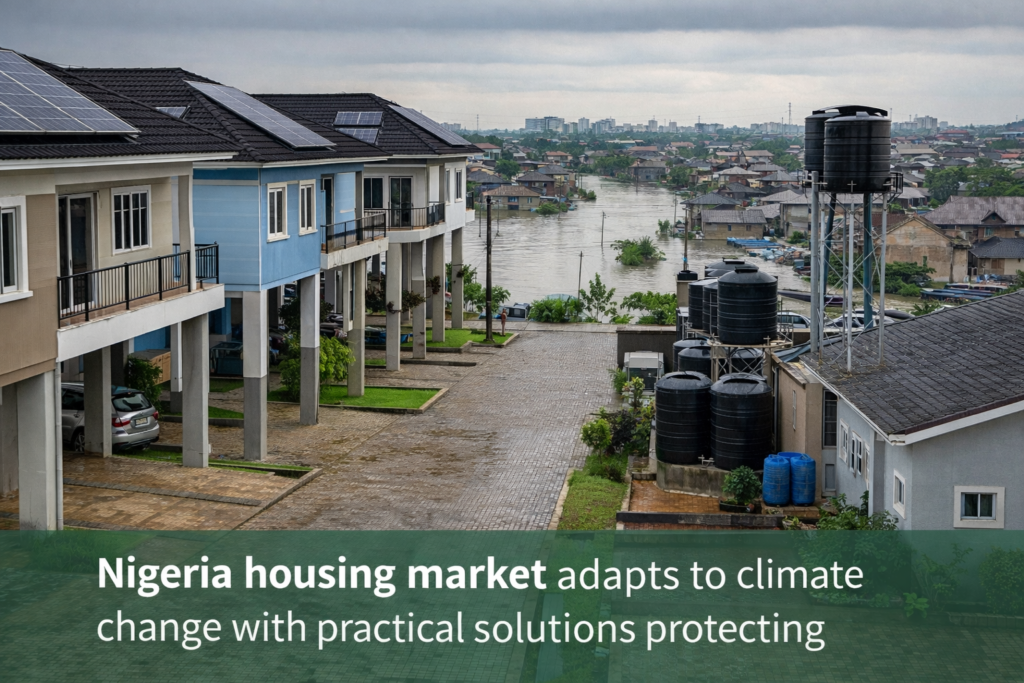
The Nigerian housing market is facing new realities. While global headlines highlight climate-related property risks, Nigeria has its own story. Rapid urban growth, aging infrastructure, and increasing extreme weather events mean homes built today may face serious challenges tomorrow.
In cities like Lagos, Port Harcourt, and Abuja, flooding during the rainy season has become a yearly threat. Streets and estates often become waterlogged, damaging homes and slowing property transactions. Unlike developed countries, Nigerian insurance coverage for such risks is limited, leaving homeowners to bear repair costs. This reduces investor confidence and discourages buyers from purchasing in vulnerable areas.
Rising Costs and Informed Buyers
Buyer behavior in Nigeria is changing. Today’s property buyers are asking more questions. Prospective homeowners now evaluate road access, drainage efficiency, and electricity reliability before making a purchase. Estates that fail to meet these expectations risk slower sales and reduced property values.
Energy inefficiency adds another layer of concern. Homes without backup generators or energy-smart designs face high operational costs, making them less attractive to middle-class buyers. Developers who integrate solar panels, water storage tanks, and energy-efficient appliances not only stand out but can also command higher prices.
Climate Driven Flood Risk and Nigeria’s Property Future
Opportunities in Climate-Aware Development
Despite these challenges, Nigeria has a unique opportunity to innovate. Local solutions are emerging that address environmental realities while protecting property value:
-
Elevated foundations for flood-prone areas
-
Permeable pavements to reduce water pooling
-
Community-managed drainage channels
-
Rainwater harvesting systems for reliable water supply
These approaches are practical, cost-effective, and tailored to Nigerian conditions. Governments are beginning to enforce environmental standards, signaling that compliant estates will gain a competitive advantage. Developers embracing these solutions protect property values while creating safer, more resilient urban communities.
Conclusion
Nigeria’s housing market is adapting to climate change. Urban growth, climate risks, and evolving buyer expectations mean property development can no longer ignore local realities. By implementing practical, Nigeria-specific solutions, developers and homeowners can preserve property values, attract informed buyers, and build resilient communities that thrive despite environmental challenges.