Promoting Climate Resilience in Nigerian Real Estate to Protect Cities
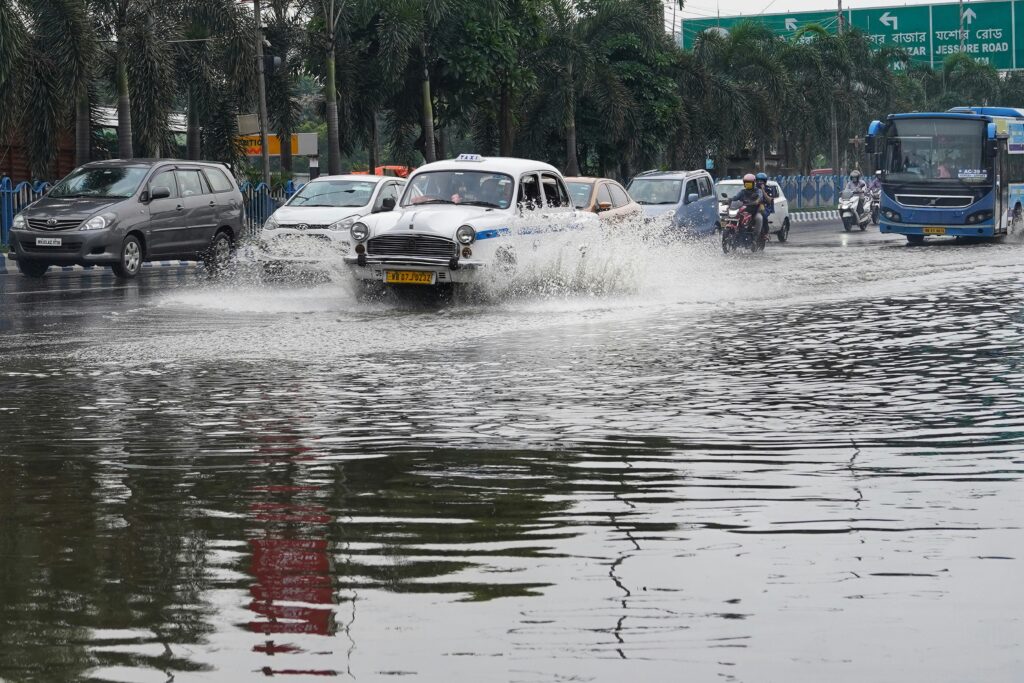
Nigeria’s cities are growing faster than ever, and climate change threatens to undo that progress. Promoting climate resilience in Nigerian real estate is no longer optional. With flooding in Lagos, prolonged droughts affecting food security, rising temperatures, and coastal erosion threatening communities, the need for climate-smart urban planning has never been more urgent.
Built environment professionals including architects, urban planners, surveyors, and builders hold the keys to solutions that can transform cities into safe and sustainable spaces. In fact, every project we design, every building we construct, and every city plan we approve either strengthens or weakens communities against climate threats. In Nigeria, the stakes are high. Climate change could push millions of people in the Global South into extreme poverty by 2030. This highlights the urgent need for climate resilience.
The Role of Professionals in Climate Resilience
Architects, urban planners, and estate managers must integrate climate-smart practices in every project. Evidence-based regulations, innovative local solutions, and sustainability-focused construction are critical. By promoting climate resilience in Nigerian real estate, professionals can design cities that adapt to floods, heatwaves, and coastal changes. For example, flood-resistant structures, green spaces, and efficient drainage systems not only protect lives but also improve property value.
Challenges and Opportunities in Nigeria
Nigeria faces unique challenges, including rapid urbanization, aging infrastructure, and climate-driven hazards. Yet, these challenges are opportunities for real estate developers to innovate. Investing in resilient buildings, climate-aware master plans, and inclusive community design ensures that urban growth is sustainable. Furthermore, Nigeria faces unique challenges, including rapid urbanization, aging infrastructure, and climate-driven hazards
Climate Change Property Prices in Nigeria: What Investors Must Know
Abuja Embassy Real Estate Faces Major Crisis Over Unpaid Ground Rent
A Call to Action for Nigerian Real Estate
Promoting climate resilience in Nigerian real estate requires collaboration across professions and communities. It demands creativity, diligence, and a commitment to long-term impact. For investors and developers, this is a chance to lead, innovate, and make a tangible difference. The built environment is not just about construction. It is about shaping safer, smarter, and more resilient communities
conclusion
Indeed, promoting climate resilience in Nigerian real estate is no longer optional. It ensures that cities withstand climate shocks, residents thrive, and investments remain secure. For Nigeria, climate-smart development is the path to a future where growth and sustainability coexist and benefit communities today and generations to come