
Nigeria Housing Deficit Crisis Driving Urgent Real Estate Shift
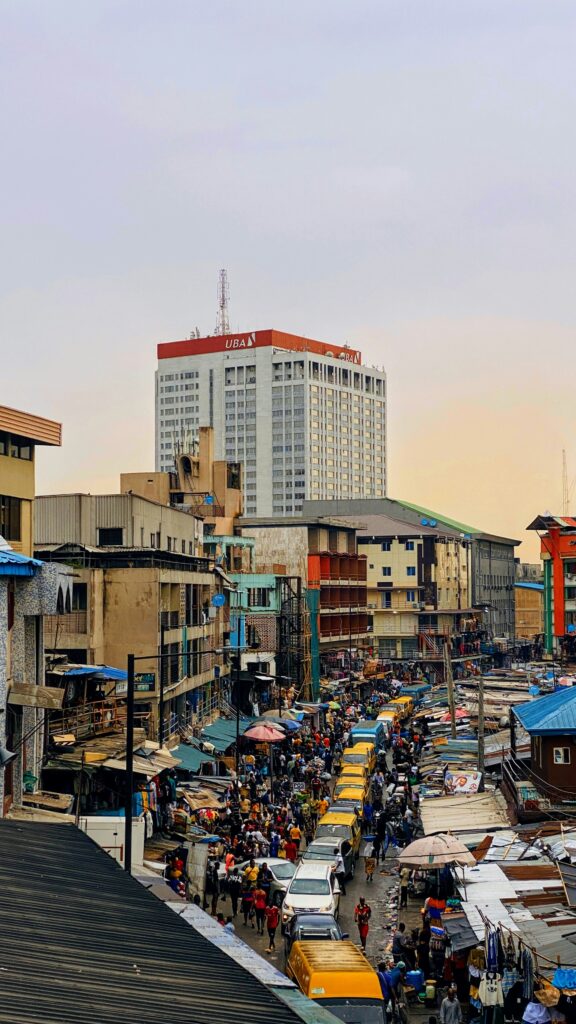
The Nigeria Housing Deficit Crisis is no longer just a statistic, it is a daily reality for millions of people. With an estimated shortage of about 15 million homes and over 15.2 million houses considered substandard, the pressure on the housing market continues to grow. At the same time, rising construction costs and inflation are making it harder to build affordable homes. As a result, both developers and buyers are facing a difficult and changing market.
A Growing Gap Between Demand and Supply
First, the demand for housing in Nigeria is rising faster than supply. Rapid population growth and urban migration are pushing more people into cities like Lagos. However, the cost of building materials and labor keeps increasing, slowing down new developments.
Because of this, many Nigerians cannot afford decent housing. Rent prices are also rising, making it harder for families to secure stable homes. While the government is making efforts, the scale of the problem requires stronger collaboration with private developers.
Rising Costs Are Reshaping the Market
At the same time, inflation and high construction costs are forcing developers to rethink their strategies. Many are shifting focus to high-end properties and gated communities where returns are more predictable.
This shift is clear in Lagos, where demand for secure estates continues to rise. Buyers are now prioritizing safety and infrastructure, even if it comes at a higher cost. However, this trend leaves a large portion of the population underserved.
Meanwhile, real estate investment trusts are reporting strong performance. For example, SFS Real Estate Investment Trust recorded a major increase in profit, showing that certain parts of the market are still thriving despite challenges.
Nigeria’s Housing Industry Issues Wake-Up Call on Future-Ready Homes
The Need for Smarter Solutions
However, solving the housing crisis requires more than just building more homes. There is a need for better financing systems, especially mortgage reforms that can make housing more accessible.
In addition, training programs for construction workers can help reduce labor shortages and improve building efficiency. Government partnerships with private firms are a step in the right direction, but more action is needed.
Developers must also explore cost-effective and sustainable building methods to meet growing demand without increasing prices further.
Conclusion
The Nigeria Housing Deficit Crisis is shaping the future of the country’s real estate sector. While challenges like high costs and limited access to finance remain, they also present opportunities for innovation and growth.
If stakeholders act quickly and strategically, Nigeria can close the housing gap and create a more inclusive market. In the end, addressing the Nigeria Housing Deficit Crisis is not just about building houses, it is about building a better future.
Nigeria’s Real Estate Boom: Big Q3 Gains, Tougher Questions Ahead