
Why Future Ready Homes Are No Longer Optional in Nigeria
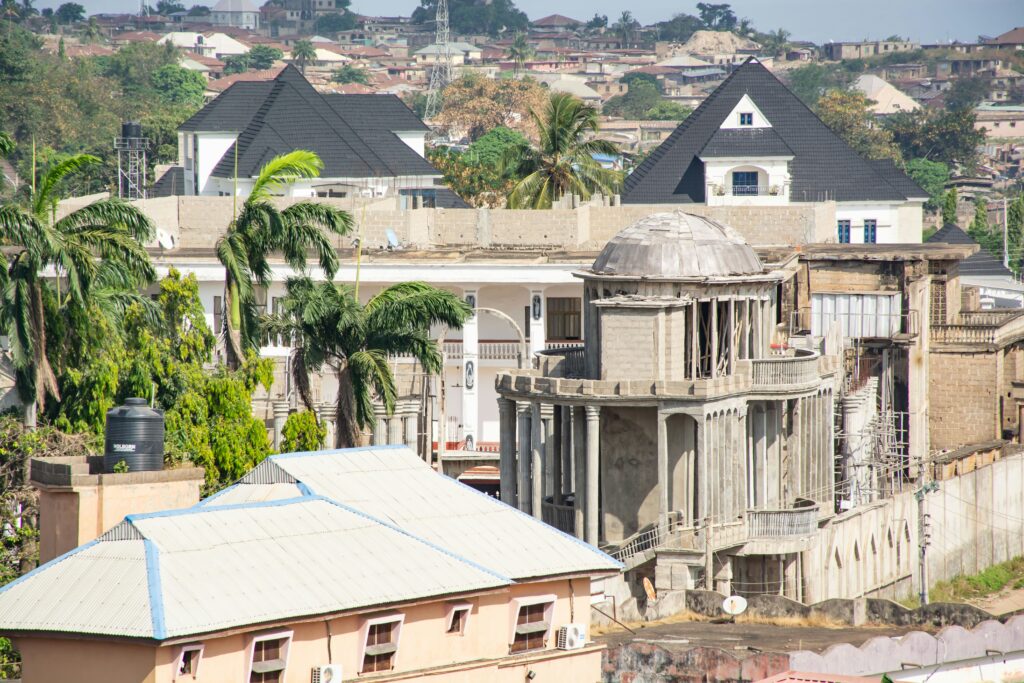
The era of basic housing is ending fast. Today, the demand for smarter, more efficient homes is rising, and developers can no longer afford to ignore it. The shift toward Future Ready Housing Models is not just a global trend, it is already shaping Nigeria’s real estate market. From rising energy costs to climate risks like heat and flooding, the pressure is building. As a result, buyers are becoming more selective, and investors are watching closely. Those who fail to adapt may soon find themselves left out of a rapidly changing market.
Why Traditional Housing Is Losing Value
First, the old way of building homes is quickly becoming outdated. Many houses still depend heavily on unstable power supply, poor ventilation, and weak infrastructure. As a result, homeowners spend more on fuel, cooling, and maintenance.
At the same time, climate challenges like heat and flooding are exposing the weaknesses in these traditional designs. Homes that cannot withstand these pressures are slowly losing value. Buyers are becoming more aware, and they are asking tougher questions before investing.
Therefore, developers who ignore these changes may struggle to sell or maintain property value in the coming years.
What Defines Future Ready Housing
However, Future Ready Housing Models offer a clear path forward. These homes are designed to meet both present and future needs. They include features like solar energy systems, energy-efficient appliances, and smart home technology.
In addition, they support new trends such as electric vehicles by providing charging points. They also focus on climate resilience, using designs that reduce heat and prevent flood damage.
In Nigeria, this approach can solve many existing problems. For example, solar-powered homes can reduce dependence on the national grid. Better building designs can lower indoor temperatures, cutting the need for constant air conditioning.
Simply put, these homes are not just modern, they are practical and cost-saving in the long run.
How Generational Real Estate Wealth Transfer Could Shape Nigeria’s Property Future
Niger Flooding Real Estate Crisis: Lives Lost, Futures Drowned
The Opportunity for Developers and Investors
While the shift may seem challenging, it presents a major opportunity. Developers who embrace innovation can stand out in a crowded market. More importantly, they can attract a new generation of buyers who value sustainability and efficiency.
Investors are also paying attention. Properties that are future-ready are more likely to hold their value and deliver long-term returns. On the other hand, outdated buildings may face declining demand.
Furthermore, Nigeria’s growing population and housing deficit create a strong need for smarter housing solutions. By adopting modern building methods, developers can meet demand while staying competitive.
Conclusion
The message is clear: Future Ready Housing Models are shaping the future of Nigeria’s real estate market. As climate risks rise and technology advances, the demand for smarter, more resilient homes will continue to grow.
Developers who act now will lead the market. Those who delay may struggle to keep up. In the end, embracing Future Ready Housing Models is not just a trend—it is the key to long-term success in Nigeria’s evolving housing sector.