
Climate Finance in Nigeria Real Estate: Are Developers Ready for the Shift?
Climate finance in Nigeria real estate is beginning to reshape how property projects are funded and developed. Across global markets, investors are shifting toward sustainability, focusing not just on profitability but also on environmental impact.
This shift is creating new opportunities for developers in Nigeria. However, it also raises an important question, are local developers ready to meet the standards required to access this type of funding?
What Climate Finance Means for Real Estate
Climate finance in Nigeria real estate refers to funding directed toward projects that address climate change while delivering long-term economic value. In the property sector, this includes developments that integrate renewable energy, reduce environmental impact, and improve resilience.
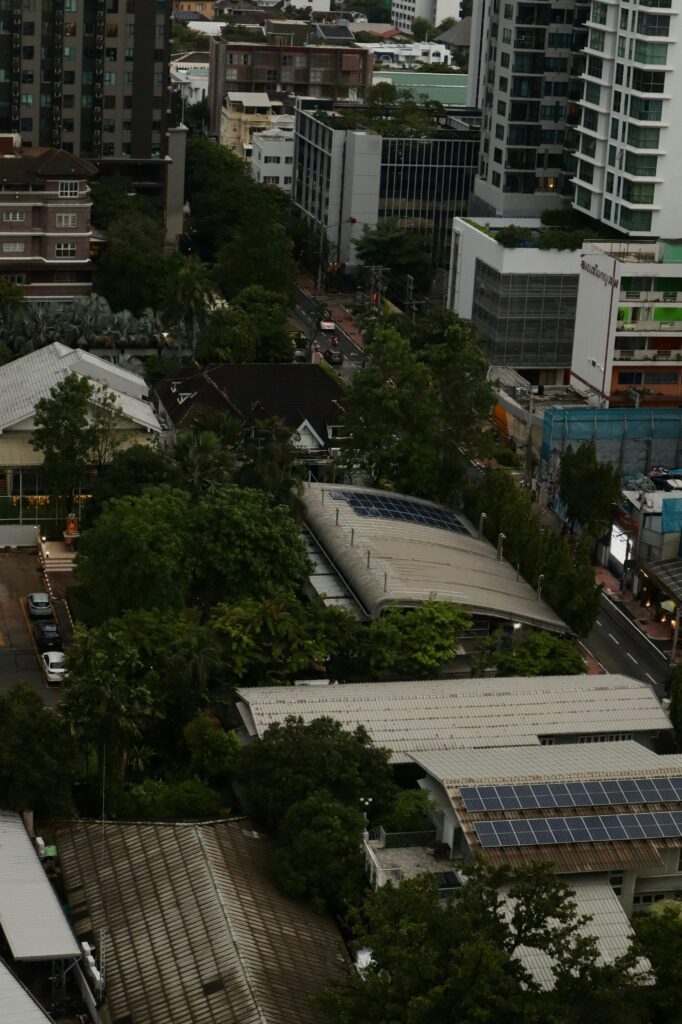
For example, developers are increasingly incorporating solar energy systems, energy-efficient designs, and sustainable construction materials into their projects. In addition, urban developments are being planned with a stronger focus on environmental sustainability.
As a result, these projects are becoming more attractive to investors. Sustainability is no longer an added feature, it is becoming a key requirement.
A Growing Opportunity for Nigerian Developers
The rise of climate finance in Nigeria real estate presents a major opportunity. International investors and development institutions are actively seeking projects that meet sustainability standards.
Therefore, developers who align their projects with these expectations can access new sources of funding and improve their market credibility. However, many local developers are yet to fully position themselves for this shift.
This gap between available funding and investment-ready projects highlights the need for better preparation within the industry.
The Challenges Developers Must Overcome
However, accessing climate finance in Nigeria real estate is not without challenges. Developers must meet higher standards compared to traditional funding methods.
This includes presenting clear sustainability frameworks, maintaining strong project documentation, and ensuring transparency throughout the development process. In addition, projects must align with global ESG requirements.
For many developers, this represents a significant change in approach. As a result, the transition can be difficult, especially for those unfamiliar with international investment standards.
Why This Shift Matters Now
The growing importance of climate finance in Nigeria real estate reflects a broader global trend. Investors are increasingly prioritizing sustainability, and this is influencing where capital flows.
Meanwhile, Nigeria’s expanding cities require large-scale investment in housing and infrastructure. By aligning with climate finance, developers can tap into this growing pool of capital while also building more resilient projects.
Climate Driven Flood Risk and Nigeria’s Property Future
Conclusion
Climate finance in Nigeria real estate is no longer a future concept, it is already shaping investment decisions. Developers who understand this shift and adapt accordingly will be better positioned to succeed.
On the other hand, those who ignore it risk missing out on valuable opportunities. As the market evolves, the ability to combine sustainability with profitability will define the next phase of real estate development in Nigeria.
Niger Flooding Real Estate Crisis: Lives Lost, Futures Drowned