
Nasarawa, Enugu: What is Next for The Housing Sub-Sector in Nigeria
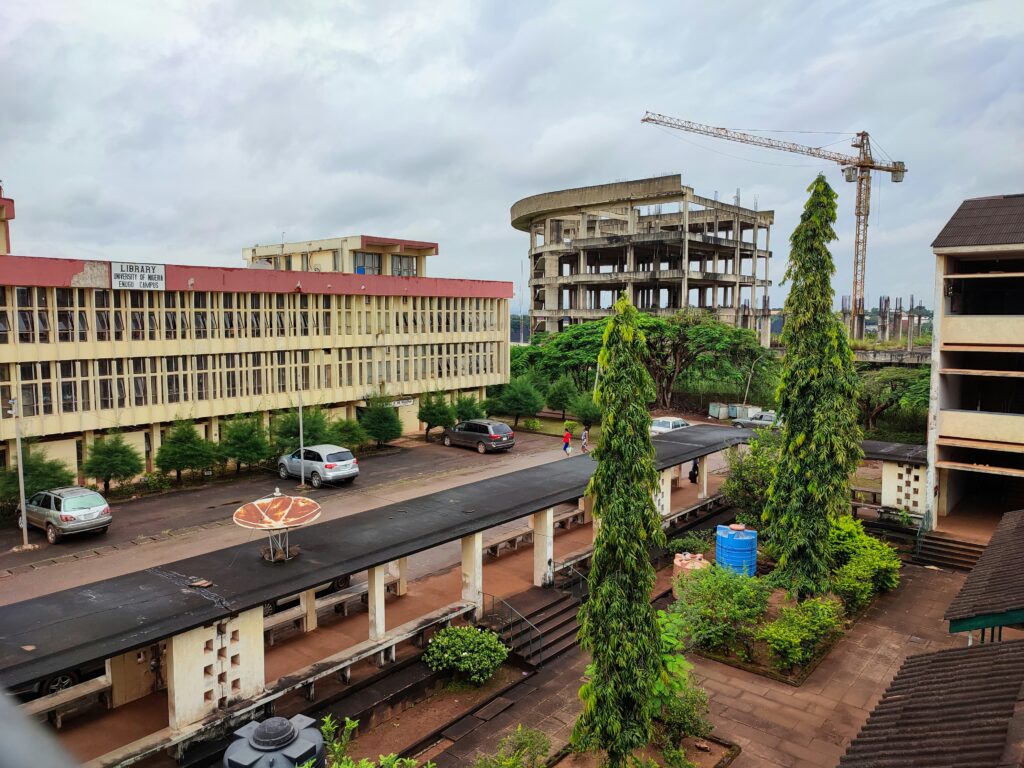
Nasarawa State Governor Abdullahi Sule recently flagged off construction of 430 affordable housing units specifically designed for public workers and civil servants across the state. The project targets government employees who face barriers to secure and affordable accommodation despite forming the backbone of state operations. Moreover, this development comes at a time when Nigerian states are exploring different approaches to address the nation’s housing deficit. Meanwhile, Enugu State has been implementing comprehensive land sector reforms that are creating new possibilities for housing development across multiple segments of the market.
How Nasarawa Is Housing Its Workforce
Governor Sule’s administration understands that when civil servants struggle with housing, it affects productivity, morale, and the state’s ability to retain skilled workers. The 430-unit scheme offers subsidized housing options directly to public sector employees across multiple ministry cadres. Teachers, nurses, ministry staff, and agency workers currently spend disproportionate portions of their salaries on rent. Through this scheme, they will have access to affordable homeownership or long-term residency options in designated estates. The project aims to enhance employee welfare, reduce living cost burdens on workers, and support orderly urban planning by creating planned residential communities. By allocating purpose-built housing for its workforce, Nasarawa is strengthening the state’s socio-economic fabric. This directly addresses the practical housing needs of the people who keep government services functioning.
Enugu’s Land Sector Transformation Opens New Doors
Enugu State has taken a different but equally significant approach to addressing housing challenges. Governor Peter Mbah’s administration recently slashed Certificate of Occupancy fees by fifty percent for residential properties and sixty-five percent for commercial and industrial properties. The state went further by digitizing all land records through the Enugu State Geographic Information System, creating a transparent platform where every property transaction can be tracked without missing files or corruption-driven delays. The government also unified all land charges into a single payment system and reduced the total cost by over sixty percent. As a result, these reforms eliminate the administrative chaos that typically makes housing development expensive and unpredictable. Property developers now know exactly what they will pay and how long approvals will take. They can also verify clear ownership before breaking ground. This creates an environment where affordable housing projects become financially viable for both government and private sector developers.
Furthermore, Enugu’s digital land registry creates an important foundation for climate-smart development. When authorities know exactly where every property sits, they can integrate flood zone mapping, enforce setback regulations, and prohibit construction in high-risk areas. At Green Realty Africa, we believe that transparent land administration and climate-resilient urban planning go hand in hand.
Enugu Building Enforcement Begins After 90-Day Amnesty Deadline
Two States, Two Pathways, One Goal
Indeed, both Nasarawa and Enugu demonstrate that Nigerian states can take meaningful action on housing when leadership makes it a priority. Nasarawa shows that direct government investment in worker housing addresses immediate needs while building workforce loyalty and productivity. The state’s commitment to delivering 430 units for civil servants proves that public sector housing schemes can move from announcement to actual construction when properly managed. Enugu’s approach tackles the systemic issues that make all housing development difficult in Nigeria. By fixing land administration, the state creates conditions where affordable housing becomes easier to deliver across all sectors. Furthermore, digital land records, transparent processes, and reduced fees lower the cost and risk for any developer or government agency looking to build homes that ordinary Nigerians can afford.
Conclusion
Nasarawa State is building homes for workers who need them now. The 430-unit scheme addresses housing affordability, workforce retention, and urban development through direct government action. Enugu State is reforming the land sector infrastructure that determines whether housing projects succeed or fail. The state has digitized records, slashed fees, unified charges, and created transparent systems that make development predictable and affordable. Both approaches contribute to solving Nigeria’s massive housing deficit. Nasarawa delivers shelter. Therefore, Enugu creates the foundation for scalable delivery. Nigerian states watching both examples should recognize that housing solutions require action on multiple fronts. Some states should build directly for their workers. Others should reform the systems that make all building easier. The best outcome would be states doing both simultaneously, learning from what works in Nasarawa and Enugu to craft solutions that fit their own contexts and resources.
Green Earth Real Estate: Building Hope in a Warming World