
Climate Resilient Property Shift Creating Winners and Losers in Nigeria
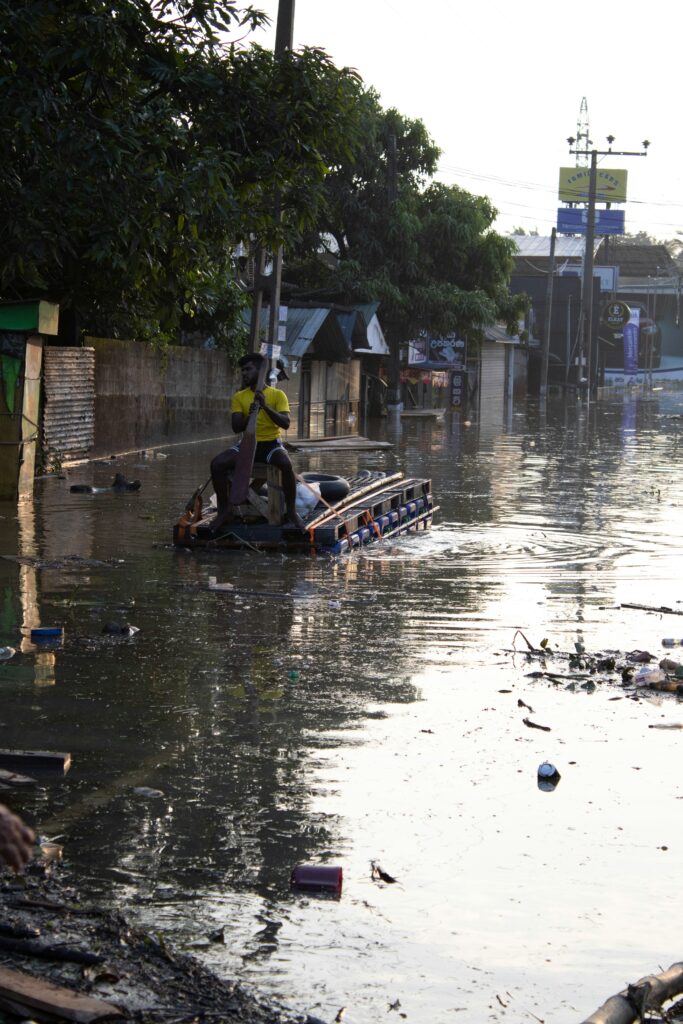
The Climate Resilient Property Shift is no longer a distant idea. It is already happening. Across the world, rising floods, heatwaves, and coastal erosion are changing how people choose where to live. As a result, property values are moving in different directions. While safer areas are gaining value, high-risk locations are losing both investors and residents. In Nigeria, this trend is becoming more visible, especially in cities like Lagos and riverine communities.
Rising Risks Are Redrawing Property Values
First, climate change is directly affecting property prices. Flood-prone areas now face regular damage, higher insurance costs, and growing uncertainty. For example, parts of Lagos experience seasonal flooding that disrupts homes and businesses. Because of this, buyers are becoming more cautious.
On the other hand, locations with better drainage systems, higher elevation, and climate-conscious planning are attracting more attention. Investors now ask simple questions: Will this place survive the next 10 years? If the answer is unclear, they walk away.
Therefore, what we see is a clear divide. Safe zones are gaining value, while vulnerable areas are slowly losing their appeal.
The Economic Impact on Communities
However, the issue goes beyond property prices. It also affects government revenue. When property values drop, tax income falls. This makes it harder for local governments to invest in infrastructure and climate protection.
In Nigeria, many vulnerable communities already struggle with poor planning and weak drainage systems. As property values decline in these areas, the cycle becomes worse. Less revenue leads to less development, which then increases risk even further.
Meanwhile, climate-resilient areas are seeing the opposite effect. More investments bring better infrastructure, improved roads, and stronger economic growth. This widening gap is what experts call “divergent futures.”
Climate Change Property Prices in Nigeria: What Investors Must Know
Abuja Embassy Real Estate Faces Major Crisis Over Unpaid Ground Rent
Why Investors Are Changing Strategy
Because of these risks, smart investors are adjusting quickly. They are now focusing on long-term sustainability rather than short-term gains. Green buildings, flood-resistant designs, and eco-friendly communities are becoming top priorities.
In Nigeria, this shift presents a huge opportunity. Developers who invest in climate-smart housing can attract both local and international buyers. In addition, government policies that support sustainable development can boost confidence in the market.
Simply put, the future belongs to those who plan ahead.
Conclusion
The Climate Resilient Property Shift is reshaping Nigeria’s real estate landscape in real time. While some areas struggle with declining value and risk, others are rising as safe investment hubs. Therefore, developers, investors, and policymakers must act now.
If Nigeria embraces climate-smart real estate, it can turn a growing crisis into a powerful opportunity. In the end, the choices made today will determine which communities thrive tomorrow.