
Climate Risk Valuation Gap Exposing Hidden Losses in Nigeria Real Estate
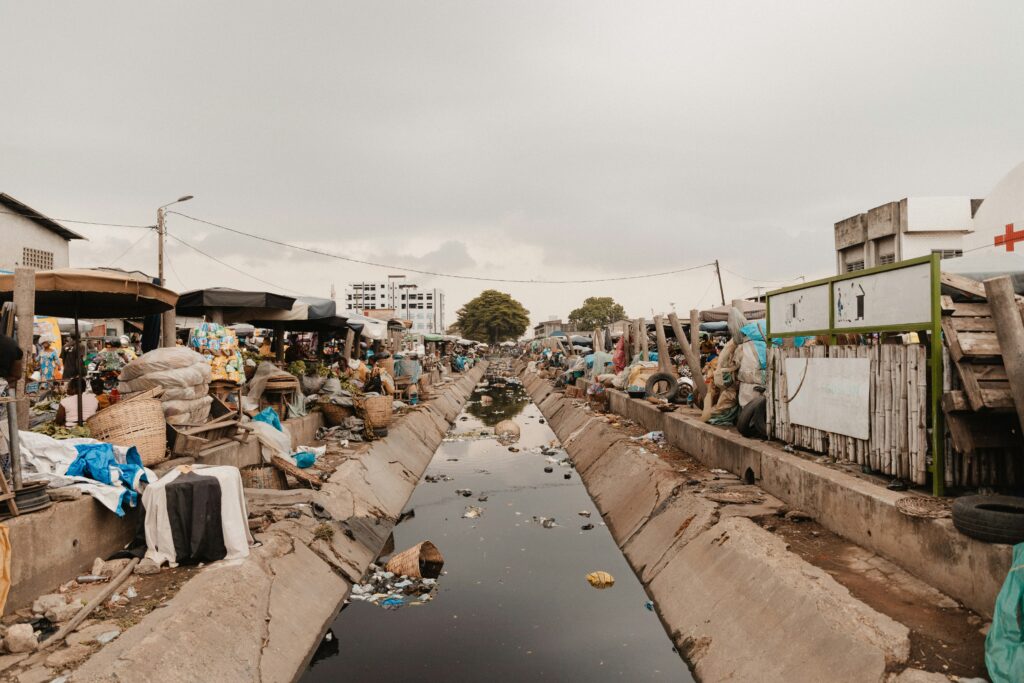
The Climate Risk Valuation Gap is a silent problem in today’s real estate market. Many properties are still priced without fully considering climate threats like flooding, heat stress, and erosion. At first glance, everything may look fine. However, when these risks finally show up, investors face sudden and painful losses. In Nigeria, this gap is becoming more dangerous as climate events grow more frequent and intense.
Why Property Prices Don’t Reflect Climate Risk
First, many property valuations still rely on traditional factors like location, demand, and infrastructure. While these factors matter, they often ignore climate realities. For example, a house in a flood-prone area may still be priced as if the risk does not exist.
This happens because data on climate risk is either limited or not properly used. In addition, some developers and sellers avoid highlighting these risks to keep prices high. As a result, buyers make decisions based on incomplete information.
Therefore, the market creates a false sense of security. Everything seems stable, until the unexpected happens.
The Danger of Surprise Losses
However, the real problem appears over time. When flooding damages homes or extreme heat reduces living comfort, property values can drop quickly. What once looked like a good investment suddenly becomes a financial burden.
In Nigeria, cities like Lagos already show signs of this risk. Areas affected by repeated flooding may eventually see price corrections. When that happens, investors who ignored climate risks will bear the losses.
Moreover, banks and insurers may also react. They could reduce lending or increase premiums in high-risk areas. This makes it even harder for property owners to recover their investments.
In simple terms, today’s ignored risks can become tomorrow’s financial shocks.
Climate-Proof Real Estate and Nigeria’s Property Future
Closing the Gap with Smarter Decisions
Despite the challenges, there is a clear way forward. Investors, developers, and policymakers must start including climate data in property valuation. This means using tools that assess flood risk, heat exposure, and long-term environmental changes.
At the same time, developers should focus on building resilient properties. Features like better drainage systems, proper ventilation, and stronger materials can reduce risk and protect value.
Furthermore, transparency is key. Buyers should have access to clear information about climate risks before making decisions. This will create a more honest and stable market.
Conclusion
The Climate Risk Valuation Gap is a growing threat to Nigeria’s real estate sector. While many properties still appear valuable today, hidden climate risks could change that very quickly. Therefore, ignoring these risks is no longer an option.
If Nigeria begins to price climate realities correctly, it can protect investors and build a stronger market. In the end, understanding the Climate Risk Valuation Gap is not just smart, it is necessary for the future of real estate.
Inside Africa’s Green Housing Boom: A New Era of Real Estate