
Climate Smart Housing Transition Transforming Nigeria Urban Real Estate
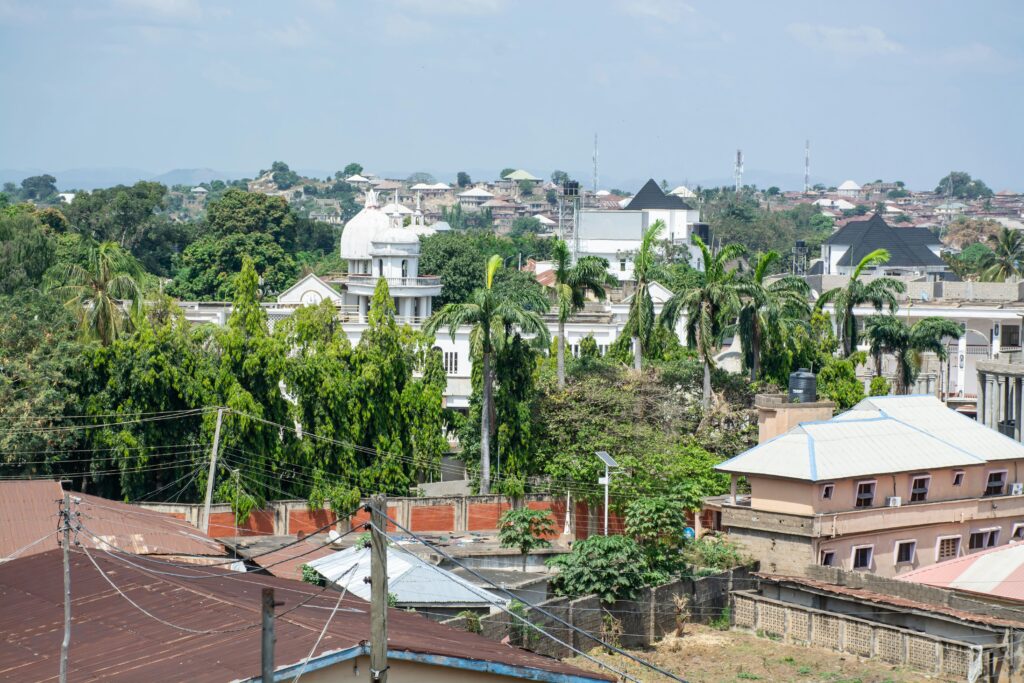
The Climate Smart Housing Transition is gaining momentum across the world, and Nigeria is no exception. In cities like Lagos and other fast-growing urban centres, extreme heat and frequent flooding are becoming everyday realities. At the same time, the real estate sector consumes a large share of Nigeria’s electricity. Because of this, new policies now aim to cut emissions by 47% by 2030. This shift is not just about the environment, it is about survival, cost, and the future of housing.
Climate Pressure Is Changing Urban Living
First, climate change is directly affecting how people live in Nigerian cities. Lagos, for example, faces both rising temperatures and regular flooding. These conditions make homes uncomfortable and sometimes unsafe.
As a result, residents now spend more on cooling systems like air conditioners and generators. This increases electricity demand and pushes up living costs. At the same time, flooding damages buildings, roads, and drainage systems, leading to frequent repairs.
Therefore, the traditional way of building homes is no longer enough. The environment is forcing a change, and the pressure is growing every year.
Energy Demand and Policy Response
However, the problem goes beyond discomfort. The real estate sector is one of the largest users of electricity in Nigeria. This puts pressure on an already strained energy system.
In response, the government and stakeholders are pushing for a major shift. New policies are focused on reducing emissions and improving energy efficiency. The goal is clear: cut emissions by nearly half before 2030.
This means developers must rethink how they design and build homes. Energy-efficient buildings, solar power systems, and better insulation are no longer optional, they are becoming necessary.
At the same time, these changes can reduce long-term costs for homeowners. Lower energy use means lower bills, which makes housing more affordable over time.
The Opportunity for Smart Real Estate Growth
While the challenges are serious, they also create new opportunities. Developers who embrace climate-smart designs can stand out in the market. Buyers are becoming more aware, and they prefer homes that offer comfort, safety, and lower running costs.
In addition, climate-resilient housing can attract investors looking for long-term value. Properties built to handle heat and flooding are less likely to lose value over time.
Furthermore, this transition can drive innovation in Nigeria’s real estate sector. From green materials to smart energy systems, the future of housing is full of possibilities.
Climate Health Early Warning Nigeria Cannot Ignore
Inside Africa’s Green Housing Boom: A New Era of Real Estate
Conclusion
The Climate Smart Housing Transition is reshaping Nigeria’s urban real estate in real time. Climate pressures like heat and flooding are forcing change, while new policies are guiding the way forward.
If developers, investors, and policymakers act quickly, Nigeria can turn this challenge into a powerful advantage. In the end, embracing the Climate Smart Housing Transition is not just about protecting the environment, it is about building a stronger, smarter, and more sustainable housing future.