Nigeria’s Housing Industry Issues Wake-Up Call on Future-Ready Homes
Nigeria’s housing sector has received a decisive wake-up call. As preparations intensify for the 20th edition of the Africa International Housing Show, The housing show organisers are telling developers something very clear: adapt to future-ready housing or risk being left behind.
The era of building just “four walls and a roof” is ending. Today’s housing market is demanding more homes that are smarter, more efficient, and built to last.
What Future-Ready Housing Actually Means
According to Festus Adebayo, Chief Executive Officer of the Africa International Housing Show, the future of housing is no longer just about structures. It is about delivering complete living systems. Not just walls and a roof, but communities that combine technology, energy, mobility, and sustainability.
First, energy is becoming impossible to ignore.
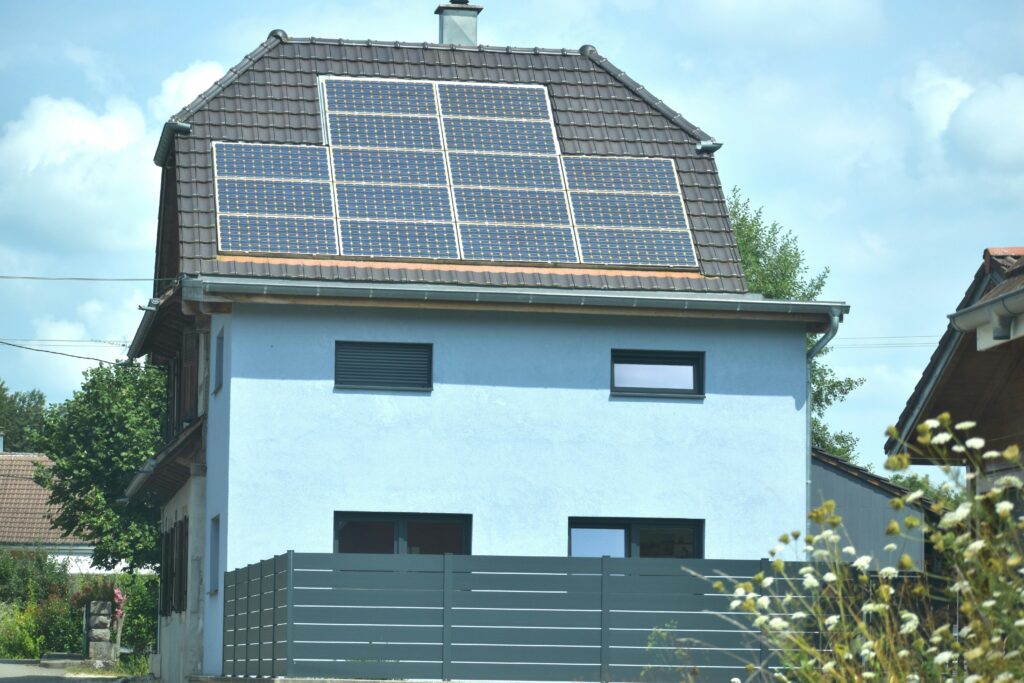
In Nigeria, power supply is still a major issue. Because of this, homes without reliable electricity are gradually losing their appeal. Solar-powered systems with battery storage are no longer seen as luxury features they are becoming necessary. Developers who continue to build without solving this problem are already falling behind the market.
But it doesn’t stop there. There is also a growing shift in how people think about comfort. Buyers are paying more attention to ventilation, heat, and how a house actually feels to live in. Because of this, climate-responsive designs and water sustainability systems are becoming more important. These features not only improve living conditions, they also reduce long-term costs.
At the same time, smart home technology is quietly becoming part of the conversation. It may not be everywhere yet, but the expectation is growing. Homes are no longer just physical spaces, they are becoming systems that people interact with daily.
The EV Readiness Conversation
Another shift is beginning to show, even if it still feels early.
The idea of electric vehicles is gradually entering the Nigerian market. While adoption is still low, the direction is clear. And real estate is not short-term, what is built today is expected to remain relevant for years.
Because of this, The industry is pushing developers to start thinking ahead. Including EV charging infrastructure may seem unnecessary now, but it is the kind of decision that separates forward-thinking developments from outdated ones.
Just like solar, those who move early are often the ones who benefit the most.
Innovation in Construction and Financing
Beyond design and technology, there is also pressure to rethink how housing works entirely. Construction in Nigeria is still largely traditional, and that comes with high costs and slow delivery. Because of this, developers are being pushed toward alternatives like prefabrication and modular housing. These methods are not just innovative, they are practical solutions to real problems.
At the same time, affordability remains a major concern. Many Nigerians still struggle to access housing, which means developers cannot continue with the same rigid payment structures. This is why options like rent-to-own are becoming more relevant. They provide a more flexible path for buyers, especially within the low- and middle-income segment.
And interestingly, this segment is where the biggest opportunity in the market actually exists.
Why This Matters for Green Realty Africa
For Green Realty Africa, this shift is not surprising.
If anything, it confirms the direction the industry has been moving. Future-ready housing and sustainable housing are not separate ideas, they are the same. Both focus on building homes that are efficient, resilient, and designed for the long term.
As the housing show approaches in Abuja, it is expected to bring more attention to these changes. Developers and investors will need to decide how they want to position themselves in a market that is clearly evolving.
Nigeria’s Boldest Green Housing Project: Inside the Off-Grid Solar Estate Redefining Real Estate
Conclusion
Nigeria’s housing sector is changing, and the signs are becoming more obvious.
The expectations are higher, the standards are shifting, and the market is slowly moving away from traditional approaches.
Those who adapt will move with the market. Those who do not may find themselves struggling to keep up.
The wake-up call has already been given.
The question now is simple, who is paying attention?
Nigeria’s Real Estate Boom: Big Q3 Gains, Tougher Questions Ahead