
Makoko Demolition, the Part Nobody is Talking About
Introduction
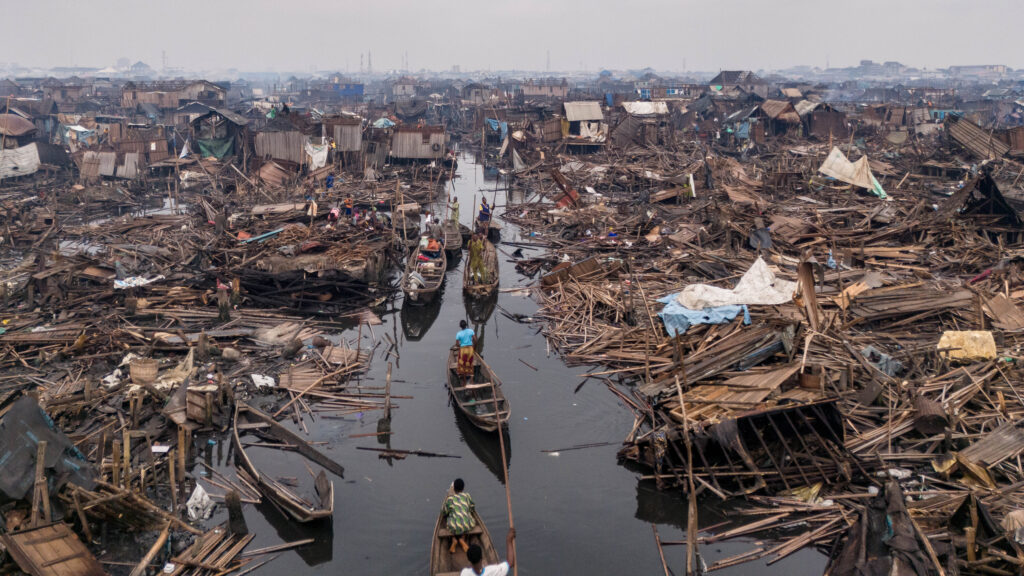
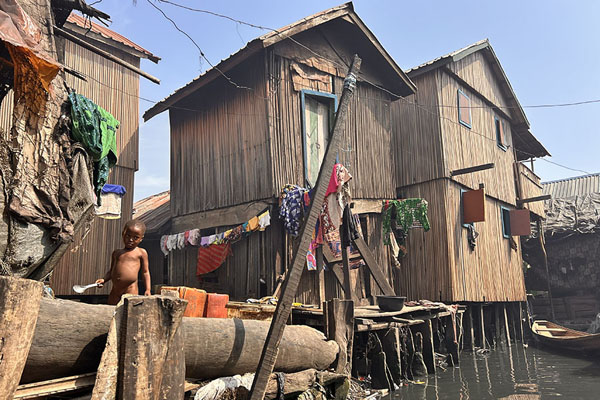
Here’s what doesn’t make sense. Makoko has stood on stilts over Lagos Lagoon for over 100 years. It survived floods, storms, and everything climate change threw at it. Now the government says those homes are too dangerous to exist. But just meters away, FBT Coral Estate, a real estate company in Lagos, is dumping sand into that same lagoon to reclaim land to build luxury apartments and yacht clubs.
Both projects are happening right now. One destroys 10,000 people’s homes in the name of safety. The other creates artificial land that every environmental scientist warns will make flooding worse. Yet somehow, nobody in government sees the contradiction.
The Real Estate Deal Nobody Wants to Talk About
Let’s talk numbers. FBT Coral Estate signed a deal with Lagos State Government in 2021 to reclaim 54.58 hectares of lagoon. That’s massive. They are sand-filling the exact wetland that absorbs storm surges and protects Lagos from flooding. The profit split? Lagos State gets 25 percent, FBT Coral gets 75 percent. The plan includes yacht clubs, convention centers, luxury hotels, and high-rise towers.
Meanwhile, the same government is telling Makoko fishermen their wooden houses are unsafe. Started 30 meters from power lines. Then it became 100 meters. Now homes 277 meters, even 522 meters from any power line are getting demolished. And here’s the thing, those “unsafe” stilt houses have weathered every flood for generations while luxury estates on reclaimed land in Eko Atlantic and Banana Island gets lood every rainy season.
What Climate Experts Are Screaming About
Nnimmo Bassey from the Health of Mother Earth Foundation visited Makoko and said what scientists have been saying for years. Flood-prone cities like Lagos need to stop sand-filling lagoons because it worsens the climate crisis and kills the city’s natural flood defences. He pointed out that Makoko residents have deep knowledge of the lagoon ecosystem and have made massive economic contributions to Lagos. They deserve upgrades, not displacement for land speculators.
On the other hand, Deji Akinpelu from Rethinking Cities added that reclamation projects raise serious concerns about Lagos’s coastline sustainability. The city sits less than two meters above sea level. Every hectare of sand-filled lagoon increases flood risk, erosion, and climate vulnerability.
Yet in another development, global economics policy expert and former Minister of Education and solid minerals, Oby Ezekwesili strongly condemned the Makoko demolition, calling it a vicious eviction that tries to hide Nigeria’s poor but ultimately fails, emphasizing that a city built on crushing its poorest residents for “world-class” status isn’t respectable, and urged Nigerian leaders to prioritize their majority poor citizens instead of displacing them. She specifically called for immediate action to help grieving Makoko families, highlighting the immense poverty in Nigeria as the context for the government’s actions.
It is noteworthy that Nigeria has a 28 million housing deficit. That’s 28 million families who need homes. Yet when Lagos gets prime waterfront land, what do they build? Yacht clubs. Business hotels. Luxury apartments and towers that most Nigerians can’t afford.
Why Green Buildings Are the Next Big Money in African Real Estate
Conclusion
The Makoko demolition is not about safety or urban planning, as the Lagos State government claims. It is some sort of anti-Robin Hood philosophy – a deliberate move to rob the poor to make the rich happy. So while bulldozers flatten climate-resilient stilt houses, sand trucks build flood-vulnerable estates on destroyed wetlands. In 20 years, when those luxury towers are underwater and Makoko’s adaptive housing model is gone forever, Lagos will finally understand what it lost. But by then, the developers will have cashed out and moved on.
Nigeria’s Real Estate Boom: Big Q3 Gains, Tougher Questions Ahead