
Nigeria’s New Building Code Push Is Quietly Changing Real Estate
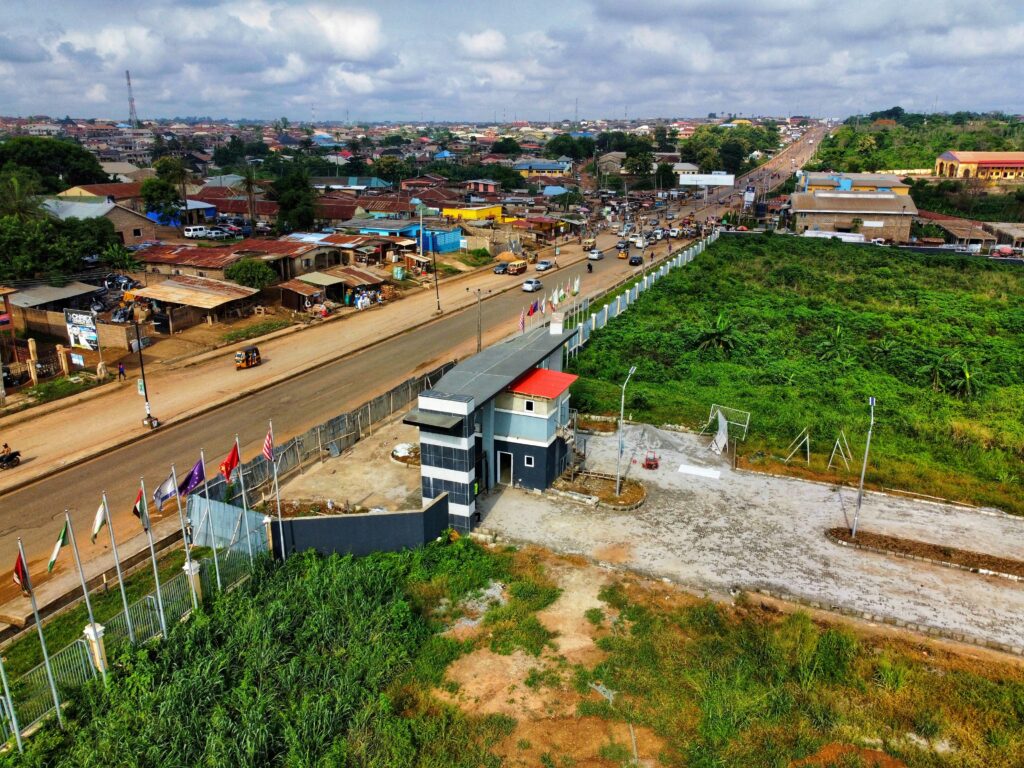
A quiet shift is happening in Nigeria’s real estate space, and not many people are talking about it yet. The push for stronger building regulations and enforcement is beginning to gain attention, especially as climate risks and urban challenges continue to rise.
For a long time, building standards in many parts of Nigeria have been inconsistent. Developers often focused on speed and cost, sometimes at the expense of quality and long-term safety. But that approach is starting to face pressure from both government and reality.
With increasing cases of building collapse, flooding, and extreme weather, there is now a stronger call for stricter compliance. This is not just about rules on paper. It is about how buildings are designed, constructed, and maintained going forward.
The interesting part is how this shift connects to real estate value.
Why This Matters More Than Before
In the past, many buyers did not pay close attention to how a building was constructed. Location, price, and appearance were often enough to make a decision.
But things are changing. Today, more people are beginning to ask questions. Is this building structurally sound? Can it withstand flooding? How well was it planned? These are no longer technical concerns, they are becoming everyday considerations.
At the same time, authorities are beginning to take enforcement more seriously, especially in major cities. This means developers can no longer ignore building standards without consequences, and once enforcement becomes consistent, the market naturally adjusts.
The Hidden Impact on Property Value
This is where it gets interesting, Stronger building regulations do not just improve safety. They also begin to influence property value in a very direct way.
Properties that meet higher standards will likely become more attractive. Buyers will see them as safer, more reliable, and better long-term investments, on the other hand, buildings that fall short may start to lose appeal. Even if they are in good locations, concerns about safety and durability can affect demand.
Over time, this creates a clear divide in the market. Not all properties will be valued the same way anymore.
What Developers Need to Understand
For developers, this is not just another policy shift. It is a signal. The market is moving toward accountability. Cutting corners may have worked before, but it is becoming a risky strategy. Those who focus on proper planning, quality materials, and compliance will stand out. More importantly, they will build trust, and in real estate, trust is everything.
It may cost more upfront, but it protects long-term value.
Building Smarter in Nigeria’s Housing Market Today
Niger Flooding Real Estate Crisis: Lives Lost, Futures Drowned
What This Means for Investors
Investors also need to adjust how they think.
Real estate is no longer just about buying in the “right area.” It is also about understanding what is behind the structure itself, a cheaper property that does not meet proper standards could become expensive in the long run. Repairs, risks, and even loss of value can add up quickly.
On the other hand, well-built properties are more likely to hold value and attract steady demand, so the real question is no longer just where you invest, but what you are investing in.
Conclusion
Nigeria’s push for stronger building standards may seem gradual, but its impact will be far-reaching, as enforcement improves and awareness grows, the real estate market will begin to reward quality and penalize negligence. This shift may not be loud, but it is important, and for those paying attention, it offers a clear advantage, because in the end, the future of real estate in Nigeria will not just be about location, it will be about standards.