
EFCC’s Record 753-Unit Property Recovery Could Fund Nigeria’s Next Affordable Housing Push
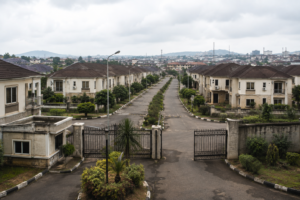
In December 2024, a Federal Capital Territory High Court ordered final forfeiture of a 753-unit housing estate in Abuja’s Lokogoma District, the Economic and Financial Crimes Commission’s (EFCC) largest single asset recovery since its founding in 2003. Months later, in May 2025, the EFCC formally handed the estate to the Federal Ministry of Housing and Urban Development. Now, REDAN, the umbrella body for Nigeria’s real estate developers, is urging government to channel proceeds from the estate into affordable housing.
How the Estate Was Recovered
The 150,500-square-metre estate was forfeited on December 2, 2024. Court documents reportedly link the property to former Central Bank Governor Godwin Emefiele, who has contested the forfeiture in court.
EFCC Chairman Ola Olukoyede handed the estate to Minister of Housing and Urban Development Ahmed Dangiwa at the May 2025 handover. Dangiwa said the ministry would conduct integrity and structural assessments on all buildings before determining next steps. He added that the final unit count could rise after remodeling and valuation.
What REDAN Wants Done With It
REDAN President Akintoye Adeoye commended the recovery in a statement issued after the handover. However, he urged the Federal Government to sell the estate at market rates rather than allocate units informally. According to Adeoye, selling transparently avoids market distortion. It also prevents burdening low-income buyers with the high management costs typical of luxury estates. REDAN also proposed using proceeds to recapitalise the Federal Mortgage Bank of Nigeria, strengthening its capacity to serve ordinary Nigerians seeking affordable housing.
Why This Matters for Real Estate
This case, unfolding across the Renewed Hope administration’s first two years, sits at the intersection of anti-corruption enforcement and housing policy, two themes shaping Nigeria’s property sector this year. If proceeds genuinely flow into affordable housing finance, it could offer a rare example of asset recovery translating directly into housing supply, rather than idle government property.
Conclusion
Nigeria recovered the estate over a year ago. What happens next, sale, allocation, or recapitalisation, will determine whether this becomes a genuine housing win or another asset that sits idle while the debate continues.
Enugu Real Estate Takes Off with Aviation Boom
PRAISE SAMSON