
Yobe Communities: Why 278 Shelters Fell and What Must Change
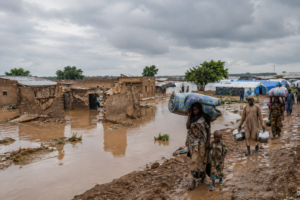
When a flood ravages Yobe communities, the numbers can look small on paper. But when you picture the families behind them, the story changes. The Daily Trust reported on the 7th of October 2026 that flash floods hit six communities and one IDP camp in Damaturu, affecting 1,020 people and damaging 278 shelters. The state emergency agency recorded no deaths or injuries. Even so, these families lost the one thing that keeps them safe: a roof over their heads.
How the Flood Ravages Yobe Communities: The Data
Meanwhile, the SEMA released its report on Sunday, October 4, 2026. Kokari IDP Camp took the heaviest hit, with 48 households, 232 people and 63 damaged shelters. However, Lawanti Gana lost the most shelters. It recorded 68 damaged shelters and 249 affected people.
Here is a simple calculation. The 1,020 people came from 143 households, so each household held about seven people on the average. That means one flood can leave seven people without a safe bed. Yet, the damage came from only six communities and one camp.
This is also not a one-off. Yobe State Emergency Management Agency says 25,012 people have faced windstorms and heavy rain since the 2026 rainy season began, with seven deaths, 209 injuries and 17,101 shelters and rooms damaged or destroyed.
Flooding and Building Collapse Are Now Investment Risks, Not Just Weather Events
Why Flood Ravages Yobe Communities Again and Again
First, drains are missing. Residents in Damaturu say the water destroys homes because no drainage channels carry it away. Second, people build too close to water. SEMA says it is working with the state mapping agency to stop people from building along waterways.
Third, many homes cannot take the beating. Past Yobe floods mostly damaged mud houses, along with schools, clinics, roads and bridges. Meanwhile, climate change is pushing heavier bursts of rain across the region. Drains and walls built for old weather now fail in new weather. Camp shelters are even weaker, so they fall first.
What to Do Before Flood Ravages Yobe Communities Again
The fixes are not mysterious. Builders and councils can start with these steps:
Dig and clean drainage channels before the rains.
Keep houses off waterways and flood plains.
Raise floors above the ground and use waterproof foundations.
Use stabilized earth blocks instead of weak mud walls.
Give camp families stronger, raised shelters, not thin covers.
Health matters too. SEMA advises families to boil or properly treat drinking water and wash their hands to prevent disease. Moreover, the state already tracks river flow in real time and sends out weather forecasts. Now it must turn those warnings into safer homes.
Conclusion
When a flood ravages communities, rebuilding the same weak shelter only invites the next loss. At Green Realty Africa, we believe resilient housing is a basic right, not a luxury. Plan for water, build on safe ground and choose materials that are durable.