
Lagos Is Warning Us. Are You Listening? Floods, Your Property and What Comes Next
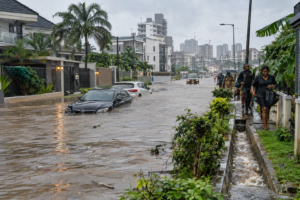
Nigeria is receiving another reminder that flood resilience in Nigeria is no longer an environmental talking point. It is a property, investment and survival issue. A seven-day flood alert covering September 19-25, 2026 has placed Lagos among states facing increased flood risk, while the Lagos State Government has urged people in vulnerable communities to move to safer ground.
The warning is more than a weather story
First, we need to look beyond the rain. Flooding in Lagos comes from a combination of heavy rainfall, rising water levels, inadequate drainage, rapid urban growth and the city’s coastal location. The World Bank estimates that about 18% of Lagos land lies on a low-lying coastal plain prone to regular flooding. It also estimates annual flood damage to assets, economic production and lives at almost $4 billion. That should make every property owner, developer and investor pause.
The latest warning specifically identifies areas including Eti-Osa, Lagos Island, Oke-Ira Nla in Ajah, Kirikiri and waterfront communities as vulnerable. Residents around the Ogun River and other waterways have also been asked to remain alert.
Is Nigeria Building Into a Climate Trap?
What this means for Nigerian real estate
More importantly, flooding is changing what makes property valuable. For years, location has been treated as the golden rule of real estate. But in a changing climate, resilience must become part of location. A beautiful house in a flood-prone neighbourhood can quickly become a financial burden. Floodwater can damage foundations, electrical systems, roads, vehicles, furniture and rental income. Repeated flooding can also affect insurance costs, tenant demand and future property values.
Nigeria’s wider climate risk makes this even more important. The World Bank notes that heavier rainfall, sea-level rise, rapid urbanisation and poor land-use planning are increasing flood exposure, particularly in coastal states such as Lagos. Therefore, developers should stop asking only, “How much can we build here?” They should also ask, “What happens to this property when the water comes?”
From flood warnings to smarter investment
The current alert offers a simple lesson: flood resilience in Nigeria must move from emergency response to everyday real estate planning. Developers can invest in better drainage, raised floor levels, permeable surfaces, retention ponds, green spaces and stronger site assessments. Investors can examine flood history before buying. Homebuyers can ask questions about drainage, elevation and access roads not just finishes and square metres. Likewise, government agencies, planners and communities must protect wetlands and waterways while improving drainage and early-warning systems.
Floods may be natural events, but the scale of damage is often shaped by human decisions.
The real estate industry therefore has a choice: keep building for yesterday’s climate, or start designing for tomorrow’s reality. For Nigeria, flood resilience in Nigeria is no longer optional. It is becoming one of the clearest tests of whether a property can truly stand the test of time.