
Climate Health Early Warning Nigeria Cannot Ignore
Across the world, climate change is no longer a distant threat. It is already affecting how people live, work, and stay healthy. Heatwaves, floods, and changing rainfall patterns are creating new health risks. This is why the idea of a Climate Health Early Warning system is becoming more important, especially for countries like Nigeria.
Recently, experts and government agencies began discussions on building a national system that can predict climate-related health dangers before they happen. Such a system could help communities prepare early and reduce the number of people who fall sick or lose their lives during climate events.
Why Climate Change Is Becoming a Health Issue
First, climate change is not just an environmental problem. It is also a major public health challenge. When floods destroy homes and water sources, people are more likely to suffer from water-borne diseases. Similarly, higher temperatures can worsen respiratory illnesses and increase mosquito-borne diseases like malaria.
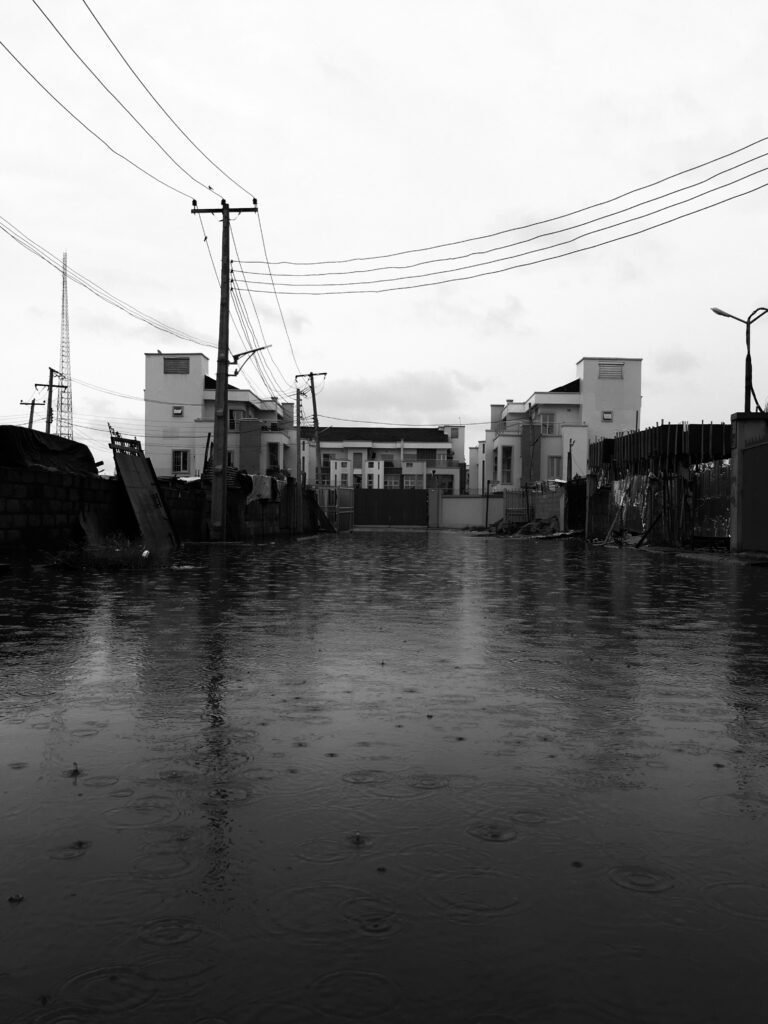
Nigeria already experiences severe flooding in many states every year. These floods often lead to outbreaks of cholera and other diseases. Without proper warning systems, communities are left reacting to disasters instead of preparing for them.
A Climate Health Early Warning system would combine weather data, environmental information, and health records. By analyzing these data together, authorities can predict possible health threats and alert hospitals, local governments, and residents before the situation becomes critical.
Nigeria’s Plan to Build an Early Warning System
To address these risks, Nigeria is working on a national early warning framework that links climate and health information. Agencies responsible for weather monitoring, disaster response, and public health are collaborating to build this system.
The goal is simple: turn climate information into life-saving action. For example, if meteorological data shows that heavy rainfall may cause flooding in a region, health authorities can prepare medical supplies, warn communities, and strengthen disease surveillance.
Furthermore, the initiative aligns with Nigeria’s climate commitments. The plan is to establish early warning services across multiple states before the end of the decade. This effort will also involve support from international partners and development organizations.
Why Early Warning Matters for Sustainable Development
From a real estate and urban development perspective, early warning systems play a critical role. Cities that understand climate risks can design safer buildings, protect infrastructure, and plan communities that are more resilient.
Investors and developers are also paying closer attention to climate data when making long-term decisions. If cities like Enugu, Lagos, or Port Harcourt integrate climate intelligence into planning, they can reduce future losses and protect economic growth.
In other words, climate awareness is now part of smart development.
Climate Driven Flood Risk and Nigeria’s Property Future
Inside Africa’s Green Housing Boom: A New Era of Real Estate
Conclusion
In the end, the push for a Climate Health Early Warning system in Nigeria is more than a policy discussion. It is a necessary step toward protecting lives, strengthening communities, and preparing cities for the future.
If Nigeria successfully builds this system, it could transform how the country manages climate risks. Instead of responding after disasters strike, authorities and communities will act earlier, smarter, and more effectively.
For a climate-vulnerable country, that shift could make all the difference.
Pingback: Climate Smart Housing Transition in Nigeria Real Estate