
Nigeria’s Rental Crisis Is Getting Worse. Nobody Is Talking About It Enough.
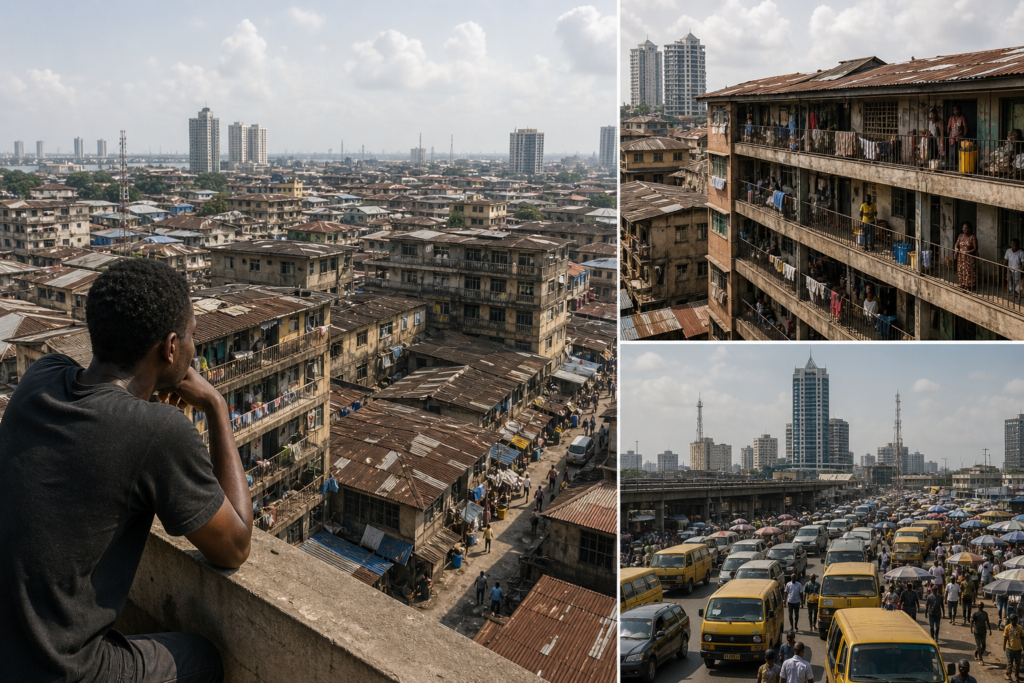
Nigeria rental crisis real estate is a conversation the market keeps avoiding. Buying a home is out of reach for most Nigerians. That is not new. What is new is that renting is becoming just as difficult. Across Lagos, Abuja, and Port Harcourt, rents have risen at multiples of the general inflation rate. For millions of Nigerians, the rental market is no longer a stepping stone to ownership. It is a trap with no exit.
Rents Are Rising Faster Than Everything Else
Nigeria’s headline inflation has been punishing enough. But rents in major cities have outpaced even that. In parts of Lagos, landlords doubled rents between 2023 and 2025. In Abuja’s mid-market corridors, two-bedroom apartments that cost ₦800,000 annually now command ₦2 million or more. Tenants who cannot pay are being displaced into the city’s outer edges, further from employment, further from schools, further from everything that made the location viable in the first place.
The driver is simple. Nigeria has a housing supply problem that nobody has solved. Demand keeps growing as urbanisation accelerates. Supply cannot keep up because construction costs have risen sharply, developers are chasing higher margins in premium segments, and affordable housing finance barely exists at scale. The rental market sits at the bottom of this chain and absorbs all the pressure.
Nigeria Housing Deficit Crisis Driving Urgent Real Estate Shift
Why Nigeria Rental Crisis Real Estate Demands Urgent Attention
Low and middle income Nigerians are absorbing the full weight of this crisis. Landlords now routinely demand one, two, even three years of rent upfront. For a working professional earning ₦200,000 a month, paying two years of rent in advance on a ₦1.5 million annual apartment is simply not possible without borrowing. Many are borrowing. Others are doubling up with family. Others are simply moving further out and spending more on transport.
This is not just a housing problem. It is an economic productivity problem. Workers spending two to three hours commuting because they cannot afford rent near their jobs are less productive, less healthy, and more financially stretched. The ripple effects reach employers, communities, and the broader economy.
What the Market Needs
Nigeria needs a rental housing policy that treats renting as a long-term reality for a significant portion of the population not a temporary condition on the way to ownership. That means structured rent-to-own schemes. It means institutional rental housing investment that brings professional landlords into the market with longer lease terms and more stable pricing. It means tenant protection frameworks that prevent arbitrary rent doubling without notice.
The private sector cannot solve this alone. But it can play a larger role if the right incentives exist. Developers who build specifically for the rental market, with appropriate financing structures and professional management, are a critical part of the solution. Nigeria’s pension funds, sitting on assets exceeding ₦18 trillion, represent capital that could flow into institutional rental housing at scale. The frameworks to enable that are not yet in place. They need to be.
Conclusion
Nigeria’s housing conversation focuses heavily on ownership, the deficit, the mortgage gap, the number of units needed. Those conversations matter. But millions of Nigerians will not own homes for a long time. They will rent. And right now, the rental market is failing them. Fixing that is not separate from fixing Nigeria’s housing crisis. It is the same problem.
Inside Africa’s Green Housing Boom: A New Era of Real Estate