
Jigawa urges 19 Northern states to cut food losses and build climate resilience
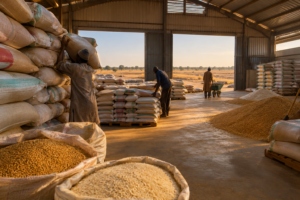
The Jigawa State Government has raised the alarm over post-harvest losses in Northern Nigeria. It also named climate change and falling farm productivity as threats to food security. The State Commissioner for Budget and Economic Planning spoke on Monday in Dutse. He addressed the Bi-Annual Review Meeting on the Food Systems Transformation Strategy, which covers 19 Northern states. Most people will read this as an agriculture story. However, I read it as a property story. Farmers must grow food, then store, process and move it, and each step needs real assets.
The Challenges Are Connected
The Commissioner listed food insecurity, malnutrition, climate change, falling productivity and broken supply chains. He said these problems demand urgent, coordinated action. Governments, development partners and other stakeholders must work together. In addition, he said the response must cover agriculture, health, nutrition, the environment, infrastructure and social protection.
Infrastructure deserves special attention. For example, Agriculture Minister Abubakar Kyari says Nigeria loses $10 billion annually to post-harvest losses, and he blames poor storage, weak infrastructure and limited processing. Behind that figure is food that could have fed families. Farmers also lose money they could have kept.
Why Climate Financing Is Quietly Reshaping Nigeria Real Estate
From Policy to Practical Action
The Commissioner urged the 19 states to embrace climate-smart agriculture. He also asked them to improve storage and processing technologies and manage natural resources sustainably. As a result, food losses would fall and farms would grow more resilient. Moreover, he insisted that food systems transformation must go beyond policy papers and meetings. It must raise productivity, household incomes and access to nutritious food.
He called on the states to collaborate more and mobilise more resources. Furthermore, he wants them to reflect food security priorities in their annual budgets and development plans. I have sat in many boardrooms, and I know this much: a plan without a budget line is just a wish.
Where Property Comes In
Here is my own take. Warehouses, cold rooms, processing plants and rural access roads are all real estate. They need land, planning and capital. They also earn steady returns while cutting food losses. Therefore, developers who understand this early will find opportunity in the region’s farming belts.
The Commissioner also named smallholder farmers, women, youths and vulnerable households as critical players. They produce, process and distribute food. He thanked the FAO, the Federal Ministry of Budget and Economic Planning and other partners for their support. Finally, he voiced hope that stronger partnerships, adequate financing and sustained political commitment will help the region overcome its challenges.
I share that hope, with one condition: delivery. Build the storage, fund the plans and measure the results. The North’s food future depends on what actually gets built.