
Why the Mokwa floods are a wake-up call for Nigerian property investors
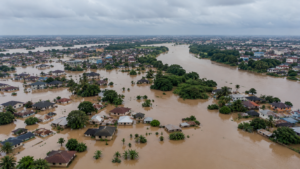
I have spent my career putting money into land and buildings, and one lesson has never changed: the ground tells you the truth long before the market does. The Mokwa flooding is that truth arriving at full volume.
In May 2025, floods in Mokwa, Niger State, killed more than 150 people and submerged over 3,000 houses. According to Vanguard, experts now say another flood reportedly struck the community in June 2026, despite earlier interventions. If you build, buy or finance property in Nigeria, this is more than a news story. It is a risk report.
It Is Not Only Climate Change
Climate security analyst Murtala Abdullahi said the question of whether climate change caused the flooding is “yes and no.” Excessive rainfall played its part, but so did governance failure. Satellite data showed an existing river channel in the affected area, one that heavy rain brought back to life. Add settlement patterns and poor land-use planning, and you have homes sitting where water was always going to return.
This is the part that stings as a developer. Water remembers its path. When we build over it without proper surveys, drainage and enforced planning rules, we are not developing land. We are gambling with other people’s lives and life savings.
Flood Risk Property Investment: Lessons From Rivers State’s Worst Floods
Follow the Money, Follow the Warnings
The panelists urged journalists to dig into disaster management funds. Abdullahi asked who actually gets what when government announces a flood response. Geologist Ibrahim Wambai added that accountability means verifying whether funds were released, who received them and how they were spent. He also called for immediate help for displaced residents, restored livelihoods and sustainable resettlement, with affected communities helping shape the adaptation plans.
Investors should take the same posture. Before you sign anything, ask for the flood history of the site. Ask to see the drainage plan. Find out what the local authority has done after the last disaster, not what it promised. Due diligence is the cheapest insurance you will ever buy.
Preparedness Must Become Action
Abdullahi stressed that forecasts mean nothing unless they turn into public education, safe shelters and relocation where necessary. He said satellite technology can monitor floods and flag vulnerable locations. The panel called for coordinated government action, stronger enforcement of environmental policy and sustained investment in resilient infrastructure.
Here is my view after decades in this business: resilient property is the only property that holds its value. A beautiful building in a flood path is a liability with a nice facade. The next wave of wealth in African real estate will go to those who build smart, build safe and demand accountability from every level of the process. Mokwa has shown us the cost of doing otherwise.