
Nigeria Joins World Energy Council, Eyes Investment That Could Reach Housing and Green Buildings
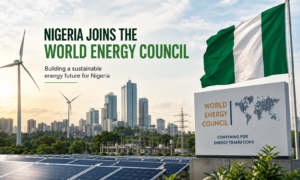
Nigeria has formally joined the World Energy Council (WEC), the global body confirmed on August 5, 2026. The move follows the establishment of WEC Nigeria and the inauguration of its Governing Board, chaired by Abdulrazaq Isa, with former NNPC Chief Upstream Investment Officer Bala Wunti as CEO.
Why Nigeria Joined
WEC Nigeria said membership connects the country’s domestic energy priorities to international expertise, technology, partnerships, and capital. Wunti said Nigeria needs an energy system that is secure, affordable, and sustainable enough to support broad-based economic growth. The Council’s global network spans more than 3,000 member organisations across nearly 100 countries.
WEC Secretary-General Angela Wilkinson said Nigeria has a significant leadership role in shaping Africa’s energy future, and that the country’s new committee will carry that voice to the 2027 Riyadh World Energy Congress in April.
What This Could Mean for Housing, Speculatively
A stronger, more investment-friendly energy sector could ripple into construction and housing, the source notes, since reliable power lowers developer costs and eases constraints on new communities. Beyond that direct link, it’s plausible this kind of energy investment could eventually support green buildings, distributed solar, or climate-resilient infrastructure. But that’s a reasonable extension, not a claim WEC, Wunti, or the source article actually made. Nothing in the announcement itself commits to those outcomes.
Solar Power Is Now Selling Nigerian Homes Faster Than Location
Why This Matters for Real Estate
The real test isn’t the membership itself but what Nigeria does with it. Turning policy dialogue and international partnerships into bankable projects and delivered infrastructure is a different, harder task than joining a council.
Conclusion
Nigeria now has a seat at a bigger table. Whether that translates into power reliable enough to change how the country builds, and what it costs to live in what gets built, will depend on execution over the years ahead, not the announcement itself.
PwC’s global sustainability Survey
PRAISE SAMSON