
Nigeria needs $336.5bn for climate action. Floods won’t wait.
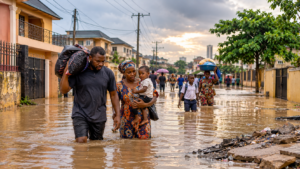
Nigeria says it needs $336.5 billion between 2026 and 2035 to deliver on its climate commitments. BusinessDay newspaper reported the figure just as COP31 closed without agreement on adaptation finance. It’s tempting to see this as a government problem. For property owners and developers, it is a bill that arrives either way, through flooded streets, damaged roads, and rising costs.
The Numbers Behind the Bill
Out of the total, $195 billion is for cutting emissions and $141.5 billion is for adaptation. Nigeria plans to raise about $67 billion at home, leaving roughly $269.5 billion to come from international and other sources. Government figures ties the money to goals of cutting emissions by 32 percent by 2035 and reaching net zero by 2060.
Keep in mind that this is a requirement, not money secured. The track record is sobering. Tracked international climate finance to Nigeria between 2015 and 2021 totaled $4.93 billion, and about 75 percent of it came as loans rather than grants.
Climate talks decide who funds resilient cities.
Why Property Feels It First
The cost of doing nothing is already visible. The 2022 floods caused an estimated $6.7 billion in losses, around 1.6 percent of GDP, and destroyed more than 650,000 hectares of crops. Flooding in 2025 hit 25 states. When roads, bridges, and power lines fail, supply chains stall, construction costs climb, and property values in exposed areas come under pressure.
Experts quoted by BusinessDay also points to weak project preparation and low investor confidence as obstacles to raising the money. Our industry knows those problems do exist.
What Developers Can Do Now
Waiting for international funding is not a very good plan. Developers can bring climate-risk checks into site selection, build to flood-resilient and energy-efficient standards, and add solar and storage where grid power is unreliable.
Well-documented, bankable projects are also exactly what investors and climate funds look for, so clear records and risk assessments matter. Industry groups should work with government on flood-control planning and building standards.
The $336.5 billion is a number on paper. The real cost is paid in floodwater and repair bills. The developers who treat resilience as a core part of the product will be best placed, whatever happens at the next summit.