
Climate Insurance Cost Crisis Threatening Nigeria Housing Affordability
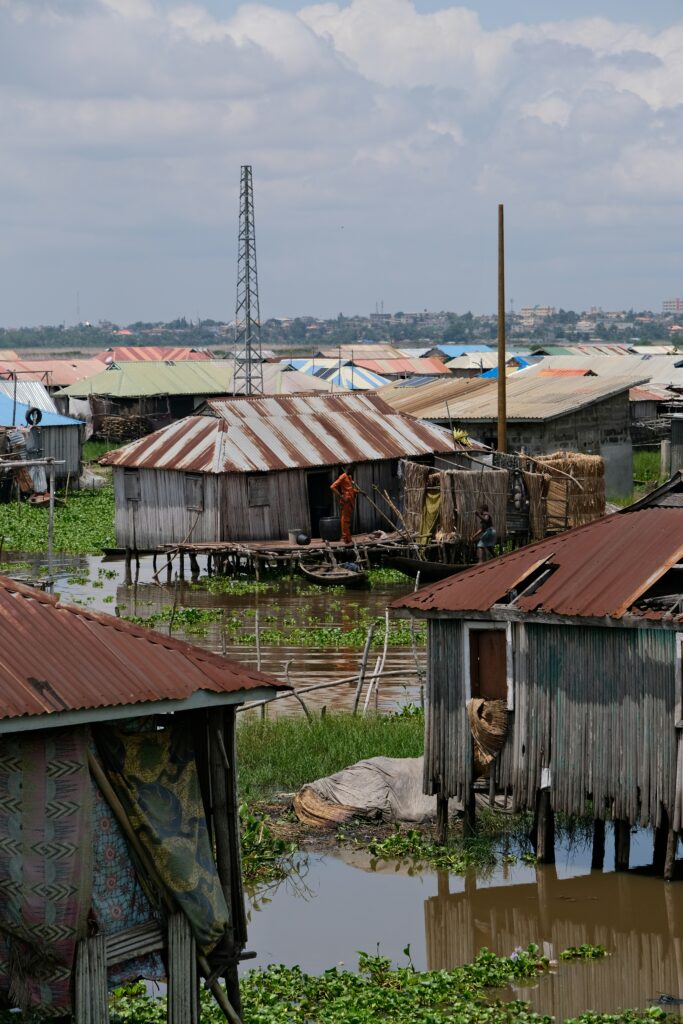
The Climate Insurance Cost Crisis is quietly becoming one of the biggest threats to housing affordability. Across the world, insurance premiums are rising fast. In some cases, they have moved from about 8% of mortgage costs to over 20%. At the same time, global disasters in 2024 caused losses of more than $360 billion. As a result, insurers are pulling out of high-risk areas or increasing their prices. In Nigeria, this trend is beginning to take shape, and its impact could be serious if ignored.
Rising Premiums Are Pricing Out Homeowners
First, the cost of insurance is no longer small. It is now a major part of owning a home. As climate risks increase, insurers are adjusting their prices to cover potential losses. Flooding, heavy rainfall, and coastal erosion are becoming more frequent, especially in cities like Lagos.
Because of this, many property owners now pay more to protect their homes. For new buyers, this adds extra pressure. A house that once seemed affordable may suddenly become too expensive when insurance is included. Therefore, many Nigerians are delaying homeownership or settling for less secure locations.
Insurers Are Avoiding High Risk Areas
At the same time, some insurance companies are stepping back completely. Globally, insurers are exiting markets that face constant climate threats. This is already happening in parts of the world where disasters are frequent.
In Nigeria, this risk is growing. Areas that experience repeated flooding or poor drainage may soon find it harder to access insurance. Without insurance, banks may also hesitate to finance properties in such locations. As a result, property values in these areas could drop.
Meanwhile, safer locations with better infrastructure and planning will continue to attract both insurers and investors. This creates a clear divide between high-risk and low-risk communities.
Lagos Flood-Resilient Real Estate: Green Architecture
What This Means for Nigeria Real Estate
However, this challenge also creates an opportunity. Developers can respond by building climate-resilient homes. Features like proper drainage, elevated structures, and durable materials can reduce risk and lower insurance costs over time.
In addition, policymakers must act quickly. Strong building regulations and urban planning can help reduce exposure to climate risks. If Nigeria gets this right, it can stabilize insurance costs and protect property investments.
Simply put, the market is changing. Those who adapt will benefit, while those who ignore the risks may struggle.
Conclusion
The Climate Insurance Cost Crisis is reshaping how Nigerians think about housing. Rising premiums and limited coverage are making homes less affordable, especially in vulnerable areas. However, with the right planning and investment in climate-smart development, Nigeria can turn this challenge into an opportunity.
In the end, the future of real estate will depend not just on location, but on resilience. And those who understand the Climate Insurance Cost Crisis today will be better prepared for tomorrow.