Lagos Ranks Fourth Most Expensive Rental Market in Africa
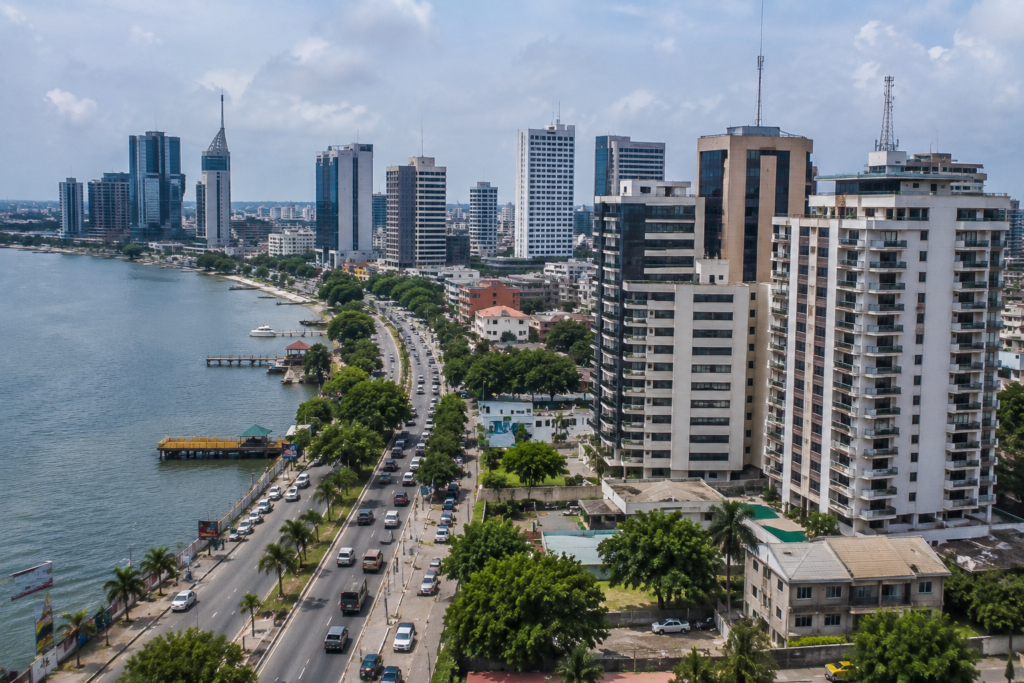
Lagos has landed fourth on a new ranking of Africa’s most expensive rental markets. A report by Fortren & Company, a real estate research and advisory firm, places Lagos behind Abidjan, Cape Town, and Accra, in a ranking of average 2-bedroom apartment rents across the continent’s major cities.
The Numbers
Luxury 2-bedroom apartments in Lagos neighbourhoods like Ikoyi, Banana Island, and Victoria Island now average $19,379 (₦26.8 million) annually. Some ultra-luxury units along the Bourdillon-Alexandra-Gerrard corridor in Ikoyi rent for as much as $130,000 a year, according to Fortren’s research director, Martin Uche. By comparison, the same-size apartment costs $41,671 in Abidjan, $27,813 in Cape Town, and $26,299 in Accra.
Why Rents Keep Climbing
Uche pointed to limited land availability, high demand in prime areas, rising construction costs, and currency devaluation as key drivers. Dollar-denominated pricing in high-end neighbourhoods compresses Lagos’s luxury market into a small geographic band, keeping rents elevated.
The pressure isn’t limited to luxury units. Chudi Ubosi, Principal Partner at Ubosi Eleh + Co, said rents have risen 50 to 200 percent over the past 24 months, pushing the income-to-rent ratio to roughly 70 percent, more than double the UN-recommended 30 percent benchmark.
Uche also flagged Africa’s rental payment structure as a factor. In markets like Nigeria, Ghana, Sierra Leone, and Cameroon, landlords commonly demand one to two years’ rent upfront, a practice he linked to low-trust environments and limited access to credit data.
Empty Houses, Rising Rents: The Paradox of Lagos Real Estate
Why This Matters for Real Estate
Rising rents are pushing more Nigerians toward the rental market entirely, as affordability challenges keep potential buyers on the sidelines. Analysts see this as an opportunity for investors in build-to-let apartments, particularly smaller 1 and 2-bedroom units, even as it deepens the affordability squeeze for renters.
Conclusion
Lagos isn’t Africa’s most expensive rental market, but that’s cold comfort for tenants facing rent hikes far outpacing income growth. Until land supply, construction costs, and financing access improve, renting will keep dominating Nigeria’s real estate market by default.
Niger Flooding Real Estate Crisis: Lives Lost, Futures Drowned
PRAISE SAMSON