
Nigeria’s Real Estate Sector Grows, But Homeownership Slips Further Away
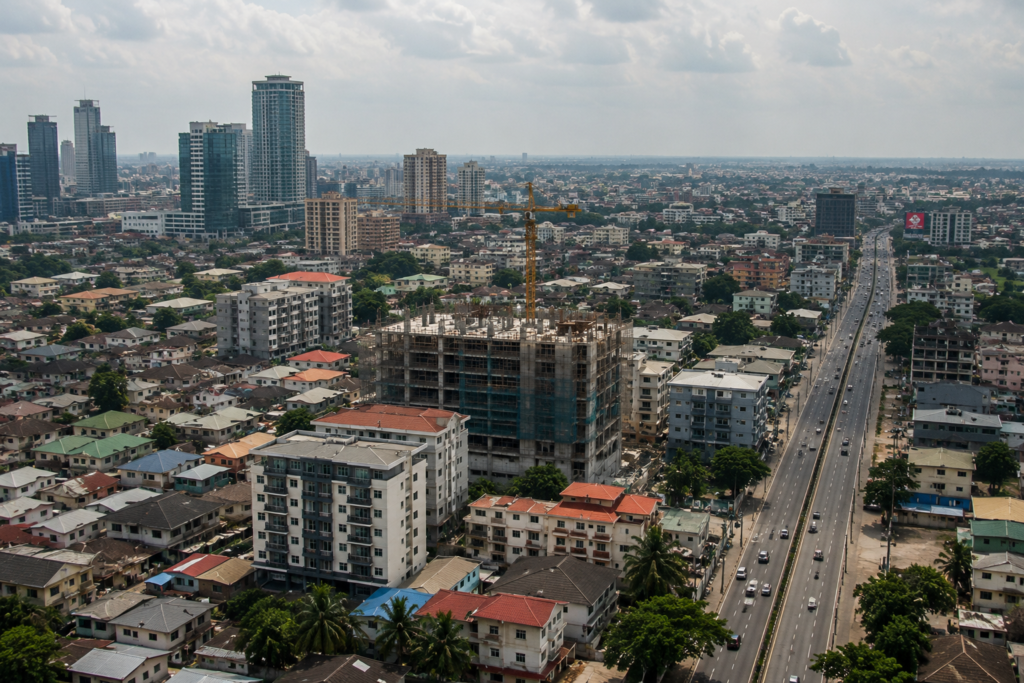
Nigeria’s real estate sector delivered new projects and drew fresh investment through the first half of 2026. However, beneath that resilience, homeownership is slipping further out of reach for millions of Nigerians.
The Affordability Gap
Nigeria’s housing deficit sits between 16 million and 28 million units, according to Guardian Nigeria. The country needs about 550,000 new homes yearly, yet annual delivery stays below 100,000 units. Meanwhile, construction costs have jumped 50 to 100 percent over the past two years. Cement alone sells for N12,500 to N15,000 per bag.
The result: even government-backed two-bedroom units now cost between N20 million and N85 million. For Nigerians earning N100,000 to N250,000 monthly, buying a home is virtually impossible.
Lagos property demolition crisis: Oworonshoki, Gaskiya and looming threats to Makoko
Why Prices Won’t Budge
Former NIESV Lagos Chairman Dotun Bamigbola said rents and prices have stabilised since the sharp 100%+ spike recorded between January and July 2025, though they remain historically high. He pointed to Nigeria’s weak earning power, not just construction costs, as the deeper issue behind the crisis.
Panterra’s Ayo Ibaru added that construction material inflation has become structural rather than cyclical, driven by import dependence, forex volatility, and diesel-powered production. As a result, developers are increasingly delaying or scaling back projects.
Mortgage access compounds the problem. Ibaru noted that around 70 percent of Nigerians cannot access mortgage financing, since interest rates remain between 25 and 30 percent. Cash buyers, business owners, and the diaspora dominate the market instead.
Where the Market Is Shifting
Renters are absorbing the pressure. Annual rents in parts of Lagos rose by 25 to 40 percent during the review period, prompting developers to shift toward build-to-rent and mixed-use projects for steadier cash flow. Meanwhile, demand is migrating to satellite corridors like Ikorodu, Ibeju-Lekki, and Abuja’s Lugbe and Kuje, where prices stay more accessible.
Conclusion
Nigeria’s real estate sector isn’t short on resilience or investor appetite, It’s short on affordable supply and financing Nigerians can actually use. Without stronger public-private partnerships and low-interest mortgage financing, experts warn the housing gap will keep widening even as the sector keeps growing.
Empty Houses, Rising Rents: The Paradox of Lagos Real Estate
PRAISE SAMSON