
Nigeria Nature-Smart Real Estate: Why Protecting Nature Makes Better Property Investments
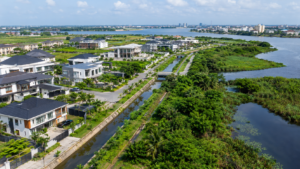
Nigeria’s property market cannot afford to ignore nature. As cities expand and developers race to meet housing demand, wetlands disappear, trees are cleared and natural drainage channels are blocked. These decisions may create short-term profits, but they can expose homes, businesses and investments to greater environmental risks.
A Reuters report by Virginia Furness, published on October 19, 2026, highlights a global biodiversity crisis, with countries off track on 22 of the 23 targets under the Kunming-Montreal Global Biodiversity Framework. The agreement aims to protect 30% of land and sea by 2030. For Nigeria, Nigeria Nature-Smart Real Estate offers a practical way to connect property development with nature protection.
When Nature Disappears, Property Risks Increase
Consider Lagos, where rapid urban growth places pressure on wetlands, forests and waterways. A 2026 study published in Scientific Reports found that built-up areas in Lagos expanded by 37.68% between 1984 and 2023, while forests declined by 31.55% and water bodies by 11.26%. These changes weaken natural protection against flooding.
Consequently, a property’s value should not depend only on its location, finishing or size. Buyers and investors must also consider drainage, flood history, soil conditions and nearby ecosystems. A beautiful house in a flood-prone area can become an expensive mistake.
Moreover, wetlands are not useless land waiting for construction. They absorb excess water, support wildlife and help regulate local environmental conditions. Destroying them can transfer the cost of development to residents, governments and future property owners.
Climate-Smart Real Estate Planning: Nigeria Must Stop Building for Yesterday’s Climate
Why Developers Must Put Nature on the Balance Sheet
Nigeria already faces the consequences of environmental damage, including flooding, erosion, drought and deforestation. The World Bank notes that traditional economic measures often overlook the value of natural resources, even though these resources support livelihoods and economic growth.
Therefore, developers should assess environmental risks before purchasing land or beginning construction. They can preserve existing trees, protect waterways, install proper drainage and include green spaces in housing estates. Permeable pavements, rain gardens and water-storage systems can also help manage stormwater.
These measures require planning and investment. However, they may reduce future repair costs, protect residents and make properties more attractive to environmentally conscious buyers. Banks and investors should also consider flood exposure and ecosystem damage when assessing property projects.
What Nigeria Must Do Before 2030
Nigeria needs stronger enforcement of planning laws, reliable environmental assessments and better protection for wetlands and urban forests. Local governments should prevent construction on critical drainage paths, while developers should disclose flood risks honestly.
Furthermore, public-private partnerships can help finance green infrastructure. Nigeria’s National Biodiversity Strategy and Action Plan 2025–2030 provides a policy framework for addressing biodiversity loss. The challenge is turning those commitments into visible changes on the ground.
Build Wealth Without Destroying Nature
The future of Nigeria Nature-Smart Real Estate depends on recognizing that nature is part of the country’s economic infrastructure. Developers who protect ecosystems can help reduce climate risks and support stronger communities. Ultimately, the smartest property investment is not simply the building that earns the highest price today, but the one that remains safe, useful and valuable tomorrow.