
Women in Nigeria’s Real Estate Sector
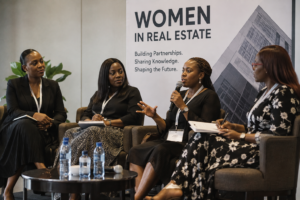
Nigeria’s real estate sector is largely led by men. At the developer level, in estate agency, in valuation, in property management, and in the policy bodies shaping how the sector operates, women are underrepresented in leadership relative to their participation as buyers, tenants, and community stakeholders.
This is not just a diversity conversation. It is a market effectiveness conversation.
What the Research Shows
According to reports from UN-Habitat, women account for a disproportionate share of housing insecurity in urban Africa. They are more likely to be in informal tenure situations, more affected by displacement from flooding and urban renewal, and less likely to access formal housing finance. A sector whose leadership does not reflect this reality will consistently underserve a significant portion of its market.
What Is Holding Progress Back
Access to capital remains a structural barrier. Women-led real estate businesses in Nigeria face the same financing challenges as the broader sector, compounded by additional barriers affecting women entrepreneurs, limited collateral, shorter credit histories, and lending criteria that systematically disadvantage applicants whose economic participation has been shaped by structural inequality.
What the Sector Can Do
Real estate associations can prioritise women’s leadership development through targeted mentorship and board representation. Developers can actively recruit and develop female project managers and executives. Lenders can review whether their criteria are inadvertently filtering out creditworthy women borrowers.
Nigeria’s Construction Workforce Strategy: Who Is Building It?
Conclusion
A real estate sector that does not reflect the diversity of the market it serves will consistently miss opportunities. Nigeria’s housing challenge is too large for the sector to operate with a leadership profile that does not match its users. Getting more women into real estate leadership is a market improvement, not a social gesture.
Who Is Building for Africa’s Urban Poor?
PRAISE SAMSON