
Nnimmo Bassey Wants Edo State to Protect Its Forests. The Real Estate Sector Should Be Listening Too.
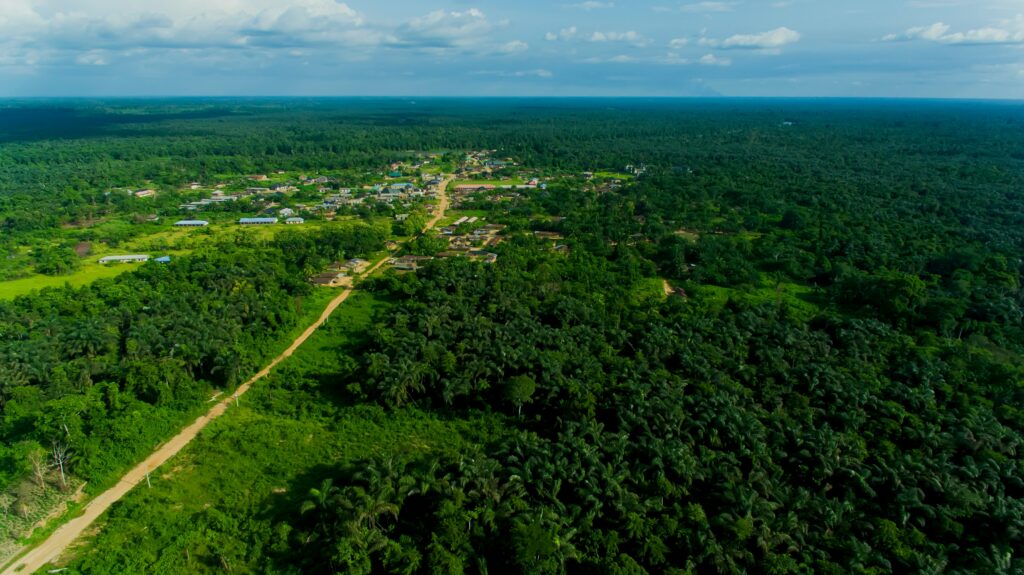
Forest protection clean energy Nigeria is the real conversation behind a warning Environmental activist Nnimmo Bassey just gave Edo State. He stood in front of an audience this World Environment Day and said something the real estate sector rarely hears directly. Protect the forests. Move toward clean energy. And do it now, before the cost of not doing it becomes impossible to reverse.
His message was directed at one state. But it lands far beyond Edo’s borders.
Forests Are Infrastructure, Not Scenery
Forests are often discussed as environmental assets, something separate from development, something to be protected for its own sake. That framing undersells what forests actually do.
In practice, forests regulate climate. They absorb significant volumes of carbon dioxide, according to the United Nations Environment Programme, helping to slow the pace of warming that is already reshaping Nigeria’s weather patterns. In addition, they reduce soil erosion and improve water retention. They act as a buffer against the kind of flooding and environmental shock that Nigerian communities are absorbing with growing frequency.
For a state like Edo, experiencing rapid urban expansion, forest conservation is not a separate conversation from development planning. It is part of the same conversation. Every hectare of forest cleared for short-term development gain is a hectare that can no longer regulate water, stabilise soil, or buffer the community against the next extreme weather event.
Clean Energy Is Not Optional Anymore
Bassey’s second call accelerating the transition to clean energy connects directly to a problem the real estate sector knows intimately.
Nigeria‘s grid instability has pushed developers, businesses, and households into a dependence on diesel generators that is expensive, polluting, and increasingly unsustainable. The World Bank has been consistent in its position that reliable, sustainable energy access drives almost every meaningful development outcome, economic productivity, health, education, quality of life. Real estate is no exception.
Meanwhile, solar integration, once treated as a premium feature for high-end developments, is becoming a basic cost-management decision. Buildings that reduce their dependence on diesel are buildings that cost less to operate and hold value better over time. The clean energy conversation and the real estate conversation are the same conversation, whether the sector has fully recognised that yet or not.
What This Means for How Nigeria Builds
Unchecked deforestation and continued fossil fuel dependence are not abstract environmental concerns sitting outside the housing conversation. They feed directly into the risks that are already reshaping Nigerian real estate.
Clearly, deforestation increases flood risk. It increases heat stress in urban areas already struggling with poor green cover. It degrades the ecosystems that buffer communities from the extreme weather events Nigeria is experiencing more frequently. Every one of these consequences eventually shows up as a housing problem, destroyed homes, rising insurance costs, communities rebuilding in the same vulnerable conditions year after year.
UN-Habitat has been consistent about the link between environmental protection and resilient urban planning. Sustainable housing development cannot be separated from forest conservation, energy transition, and responsible land use. They are the same project, viewed from different angles.
Beyond the Speech
However, calls like Bassey’s tend to generate agreement and little follow-through. Everyone nods. Few things change.
What would actually move this conversation forward is states treating forest protection and clean energy access as planning requirements, not aspirational talking points. Development approvals that account for tree cover loss. Incentives for developers who integrate renewable energy into new projects. Land-use planning that treats existing forest cover as infrastructure worth preserving, not vacant land waiting to be developed.
Edo State has an opportunity here that many Nigerian states have already missed, to grow without repeating the environmental mistakes that older cities are now spending enormous resources trying to correct.
Conclusion
Nnimmo Bassey’s call to Edo State is not really about one state or one speech. It is about whether Nigeria’s growing cities will build with their environment or against it. The real estate sector has a direct stake in that choice. Forests that disappear today become floods that destroy homes tomorrow. Energy systems left unreformed today become the operating costs that make buildings unaffordable tomorrow. The connection is not abstract. It is structural. The sooner the sector treats it that way, the fewer Tom Gangares Nigeria will have to rebuild from scratch.