
Mudslide and Floods Displace 347 in Cross River. Was Nature, Human Activities or Both ?
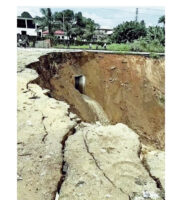
Mudslide and Floods Displace 347 in Cross River. Nature and Human Activity Are Both to Blame.
A mudslide in Calabar rendered 167 persons homeless. Heavy rainfall in the Central Senatorial District displaced another 180. In total, 347 people in Cross River State are now without stable shelter, confirmed by the Director-General of the Cross River State Emergency Management Agency, Efa Nyong.
Nyong, who assumed office on July 14, was direct about what is driving the disasters.
“Basically, two things are happening. They are happening out of natural occurrence and, secondly, out of human activity. That is all that is happening currently in the state as regards disasters.”
That combination nature amplified by human decisions is the honest diagnosis of what is producing flood and mudslide events across Nigerian communities with increasing regularity. It is not simply that the rains are getting heavier, It is that the environments receiving those rains have been altered in ways that make the consequences far worse than they need to be.
What Is Happening on the Ground
The victims are currently being sheltered at various locations across Calabar and parts of the Central Senatorial District. Nyong said he has visited communities in the Southern and Central Senatorial Districts to sensitise residents on disaster prevention, with plans to extend the campaign to the Northern Senatorial District before a state-wide advocacy drive using billboards, radio jingles, and town criers.
Sensitisation matters, but it works best when it precedes a disaster, not follows one.
The Built Environment Question
Cross River State is not the first Nigerian state to see this pattern in 2026. Plateau State lost over 100 homes to a rainstorm earlier this year. Lagos’s Ifako community counted losses after streets were submerged. Ghana displaced nearly 90,000 people in July. Each event carried the same signature, natural rainfall intensity meeting human-altered terrain that could no longer absorb or redirect it safely.
Mudslides specifically are often the consequence of deforestation, uncontrolled development on slopes, and the removal of vegetation that once stabilised soil. When hillside communities lose tree cover to development or farming, the soil loses its anchor. Heavy rainfall does the rest.
The communities displaced in Calabar and the Central Senatorial District deserve more than shelter and radio jingles. They deserve land-use decisions, building standards, and drainage infrastructure that reduce their exposure before the next rainy season arrives.
Climate Resilient Housing Nigeria: The Plateau State Warning.
Conclusion
347 people displaced in Cross River State. Natural occurrence and human activity, in Nyong’s own words. Nigeria keeps receiving the same diagnosis and producing the same emergency response. The harder work, changing how communities are built, where they are built, and what protection exists around them is the work that would reduce the number of people needing shelter after the next storm.