
GhanaWeb Launches Digital Real Estate Platform to Fix Ghana’s Property Market
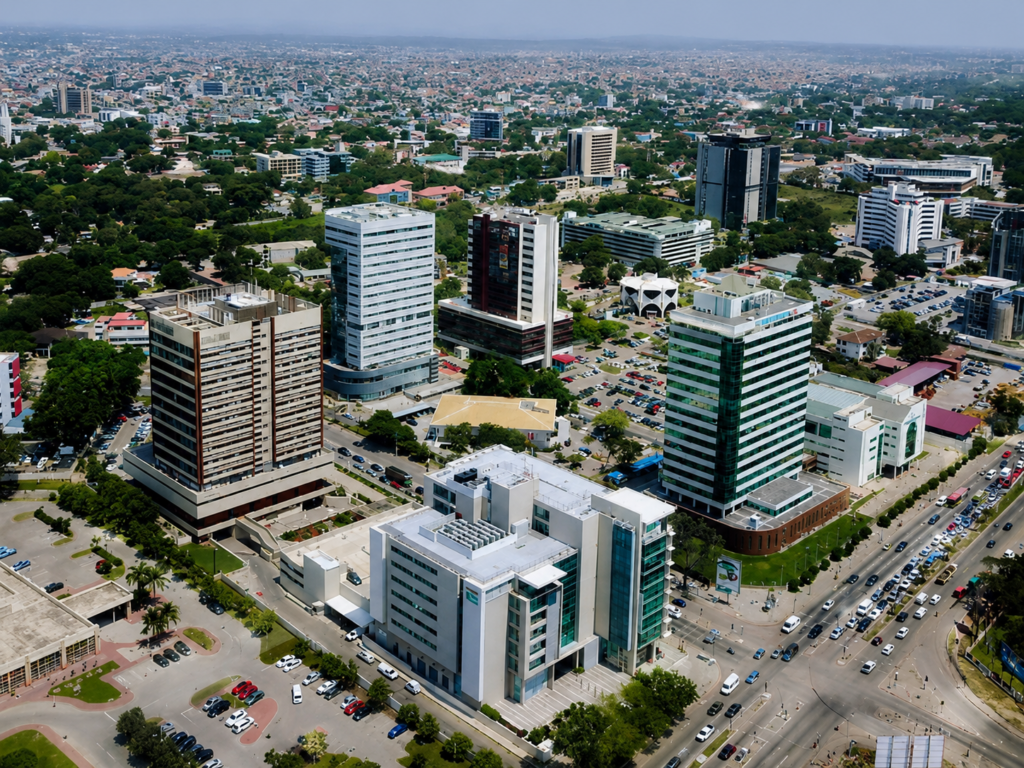
Ghana’s housing deficit sits between 1.8 million and 2 million units, according to industry and policy estimates. The gap keeps widening as urbanisation accelerates. Meanwhile, population growth, now above 32 million, keeps pushing more people into cities like Accra, Kumasi, and Takoradi. As a result, demand for formal housing in Accra far outpaces supply. This pushes many residents into informal settlements or costly rentals instead.
Additionally, the property market has long struggled with limited access to verified listings and weak transparency between buyers, sellers, and agents.
What the Platform Offers
Built under the theme “The Future of Real Estate Begins Here,” the platform connects buyers, sellers, renters, developers, agents, and investors within a single digital ecosystem. Users can browse verified property listings, showcase developments, and connect directly with vetted industry professionals.
FG Finally Settles Nigeria’s Housing Deficit Number: 15 Million Units
Why This Matters for Real Estate
Digital platforms are increasingly central to fixing fragmented property markets across Africa. If GhanaWeb’s platform delivers on verification and transparency, it could reduce the fraud and inefficiency that push buyers toward informal channels. That’s a challenge Nigeria’s own housing sector is currently trying to solve through regulation instead of technology.
Conclusion
Ghana’s housing deficit isn’t going away on its own. Whether a digital marketplace meaningfully closes that gap will depend on adoption, not just launch-day enthusiasm.
New Climate-Health Financing Initiative in West Africa: Where Does Real Estate Stand?
PRAISE SAMSON