
The Federal Government Just Approved ₦250bn for Student Hostels. Here Is Why the Real Estate Sector Should Be Paying Attention.
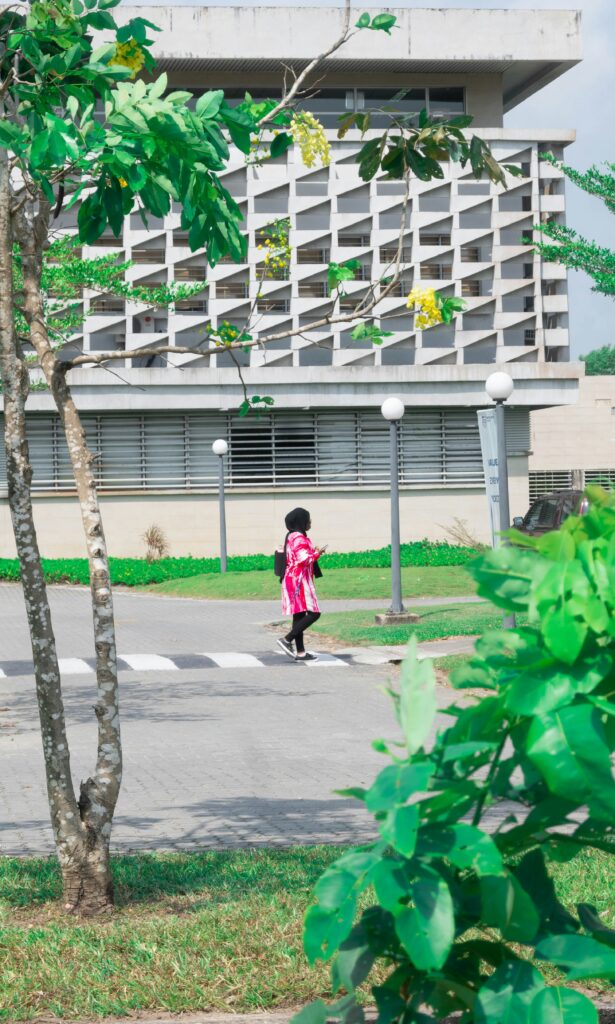
Nigeria’s student housing problem has been hiding in plain sight for years.
Walk into any federal university in Nigeria and the picture is the same. Official hostels built for a fraction of the current student population. Overcrowded rooms where six or eight students share a space designed for two. A mass exodus into surrounding communities where landlords charge whatever the market will bear, knowing the demand never dries up.
The Federal Government has now approved a ₦250 billion investment in student hostels across tertiary institutions. That is a significant number. And for the real estate sector, it is a signal worth taking seriously.
Why Student Housing Has Been Ignored
Purpose-built student accommodation has never attracted the attention it deserves in Nigeria’s real estate conversation. Developers have historically chased the luxury residential and commercial segments where margins are higher and the buyer profile is more familiar. The student housing market felt informal, risky, and difficult to scale.
That thinking has been expensive. Nigeria has over 170 accredited universities, polytechnics, and colleges of education. Combined enrollment across these institutions runs into the millions. The gap between official hostel capacity and actual student population is enormous at virtually every institution. That gap has been filled for decades by informal landlords operating without standards, without oversight, and without any incentive to build for quality or sustainability.
The result is a generation of Nigerian students living in conditions that affect their academic performance, their health, and their safety. That is not a small problem. It is a structural failure with real human consequences.
What the ₦250bn Signals
Government investment of this scale does not just build hostels. It validates a market segment. When the Federal Government commits ₦250 billion to student accommodation, it sends a message to private developers and institutional investors that this is a sector worth entering with policy backing, with infrastructure support, and with a guaranteed demand base that is not going anywhere.
The private sector opportunity here is significant. Government funding rarely covers everything, and it rarely does everything well. What typically follows large public investments in accommodation infrastructure is a wave of private complementary development off-campus purpose-built student housing that meets the demand government hostels cannot fully absorb.
In the UK, purpose-built student accommodation became one of the most resilient real estate asset classes precisely because demand is structural and predictable. Nigerian developers who understand this and move early into the student housing segment with quality construction, fair pricing, and proximity to major institutions are positioning themselves in front of a demand wave that the government has just officially acknowledged.
The Sustainability Angle
Student housing also presents a genuine opportunity to embed sustainable design at scale. Buildings designed for high occupancy, located near institutional campuses, with shared energy systems, rainwater harvesting, and passive cooling can deliver significantly lower operating costs per student while meeting green building standards.
For developers interested in EDGE certification or other sustainability credentials, student accommodation is actually one of the easier building typologies to optimise. The use patterns are predictable. The occupancy rates are high. The case for energy efficiency is straightforward when you are managing utility costs across hundreds of units.
Nigeria’s climate reality makes this even more relevant. Buildings that cannot manage heat, that flood during the rainy season, that depend entirely on diesel generators, these are not just uncomfortable for students. They are financially unsustainable for operators and developers over the long term.
Nigeria’s Green Building Shift: Why Developers Can No Longer Ignore Sustainability
Conclusion
The ₦250bn student hostel approval is not just a government spending announcement. It is an opening. Nigeria’s tertiary institution corridor represents one of the most consistent and underserved real estate demand pools in the country. The developers and investors who recognise that now and build for it deliberately, sustainably, and at the right price points will find a market that has been waiting a long time for serious attention.
Inside Africa’s Green Housing Boom: A New Era of Real Estate