
The rules of climate diplomacy may change. Resilient building shouldn’t wait.
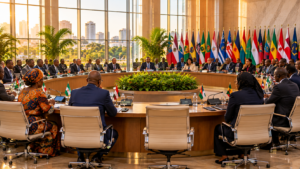
COP31 ended without an agreement, and now the argument has shifted from what was decided to how decisions get made. EU Climate Commissioner Wopke Hoekstra told the Financial Times that the bloc will propose changes to the UN climate process, including a review of the consensus model that has governed COP summits for more than three decades. The idea is still early, since Brussels first needs to consult its member states.
Why Consensus Is Under Fire
Under the current rules, a single country can block a deal that most others support. That protects smaller nations from being steamrolled, but it also makes disputes very hard to settle. In Antalya, the EU, the UK, and others rejected a text that left out explicit language on moving away from fossil fuels, while oil-producing nations resisted stronger commitments and carbon capture became another flashpoint.
Brussels also wants more transparency, more efficient procedures, and a stronger focus on delivering existing pledges. There is a catch, though. Any change to the voting rules would itself require a consensus decision. Earlier attempts to introduce majority voting did not win enough support.
Climate talks decide who funds resilient cities.
What It Means for Real Estate
A more fragmented climate landscape means more regional differences in building energy standards, carbon pricing, green finance rules, and investor expectations. Investors are already being urged to judge projects against regional rules rather than assume one global pathway. For African developers, that cuts both ways. Fewer global rules mean less certainty, but also more freedom to build resilience on our own terms.
Follow the rules in your target markets, especially if you court international investors. Document your energy performance and climate risk so your projects can pass different standards. And don’t wait for a global deal.
The EU’s proposals do not change any current obligations, and climate risks keep growing regardless. Smart developers will plan for a world where the rules differ from market to market.
My take: Process reform alone will not fix this. The deeper problem is trust, and money sits at the center of it. The EU ruled out new finance commitments before COP31 even began. For many developing countries, a call to streamline decision-making can sound like an attempt to weaken their veto while their financing needs go unanswered.
Consensus also gives agreements legitimacy, and a deal that only some countries accept will struggle to be implemented. Reform is worth discussing, but it will only work if it comes with credible finance and a real voice for Africa. Meanwhile, governments and smaller coalitions are already pursuing electrification and renewable energy outside the UN process, and I expect that trend to grow.