
Nigeria’s ₦83.2 Billion Flood Emergency Fund, Is the Money Going to the Right Places?
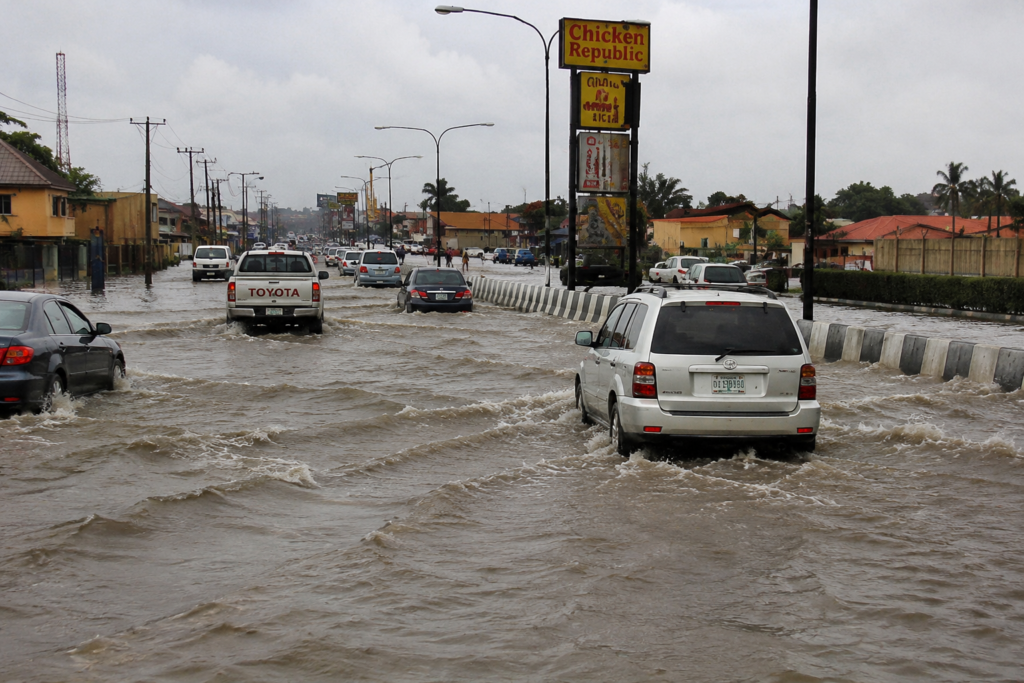
Nigeria flood emergency fund approval has been reported. The announcement made headlines. The question that did not make headlines is the one that matters most. Where exactly is the money going?
Nigeria floods every year. The same states, the same communities, the same families. And every year, emergency funds are announced, relief materials are distributed, and the cycle begins again the following rainy season. The 2022 floods displaced over a million people. Nigeria’s 2026 flood outlook, published by the Nigeria Hydrological Services Agency, flagged over 14,000 communities as high risk before the rains even arrived.
Reports indicate Nigeria needs an estimated $337 billion to meet its full climate commitments. ₦83.2 billion is a start. Whether it is the right kind of start is what the sector should be asking.
Emergency Spending Is Not Climate Resilience
There is a difference between emergency relief and climate adaptation. Nigeria has been doing the first consistently. It has been doing the second inconsistently at best.
Emergency relief keeps people alive after a disaster. Climate adaptation reduces the number of disasters that require emergency relief, drainage infrastructure, flood-resistant construction standards., enforcement of development restrictions in high-risk zones, early warning systems that give communities time to act before floodwaters arrive. These are adaptation investments. They do not generate the same headlines as a billion-naira emergency fund, but they are what actually breaks the cycle.
Nigeria has repeatedly allocated emergency funds for flood relief over the past decade. The communities that received the relief have, in many cases, flooded again. The money was spent. The vulnerability remained.
For the ₦83.2 billion to mean something different this time, a significant portion needs to go toward prevention rather than response. Drainage rehabilitation in chronic flood zones. Resettlement support for communities built on documented floodplains. Construction of flood control infrastructure in the highest-risk corridors the 2026 outlook has already identified.
Nigeria’s Flood Risk Real Estate 2026: What the Outlook Means.
Why the Nigeria Flood Emergency Fund Must Go Beyond Relief
For developers and investors, this announcement matters beyond the humanitarian dimension.
Government spending on flood control infrastructure changes the risk profile of real estate in affected areas. A drainage rehabilitation project in a chronically flooded corridor makes residential developments along that corridor more viable, more insurable, and more attractive to buyers. Infrastructure investment follows land value. Land value follows infrastructure investment.
Developers who track where Nigeria’s climate emergency spending is actually going. Which corridors, which drainage systems, which flood control projects, are developers who can identify where the next wave of viable residential development will be. That is infrastructure-led investment logic, not speculation.
Meanwhile, the communities most exposed to flooding in Nigeria are largely the same communities with the least access to formal housing finance, the least insurance coverage, and the fewest options when disaster strikes. If reports indicate ₦83.2 billion in climate emergency spending does not reach these communities in ways that reduce their exposure, it will not move Nigeria’s climate resilience story forward. It will simply pay for the same emergency again.
Climate Resilient Housing Nigeria: The Plateau State Warning.
What Good Spending Would Look Like
The test for this fund is not whether the money is disbursed. It is whether the communities that receive it are less vulnerable to the next flood than they were to this one.
That means drainage infrastructure that lasts beyond one rainy season. Resettlement in locations that are not themselves flood-prone. Construction materials and techniques that give rebuilt homes a fighting chance against the next storm. And documentation of where the money went and what it produced — the kind of transparency that would allow Nigeria’s citizens, and the international climate finance community, to assess whether the investment was real.
Conclusion
Emergency funds matter. People need relief when floodwaters enter their homes. But Nigeria has been announcing emergency funds for floods long enough that the pattern is clear. The money arrives, the relief is distributed, the cycle continues. For ₦83.2 billion to represent something different, it needs to go toward ending the cycle, not managing it. The real estate sector, the development community, and the Nigerian public deserve to know whether that is what is actually happening.
West Africa Flooding Real Estate: Lagos and Accra Pay the Cost.