
Abuja Is Expanding Fast. The Real Estate Sector Is Not Ready for What That Means.
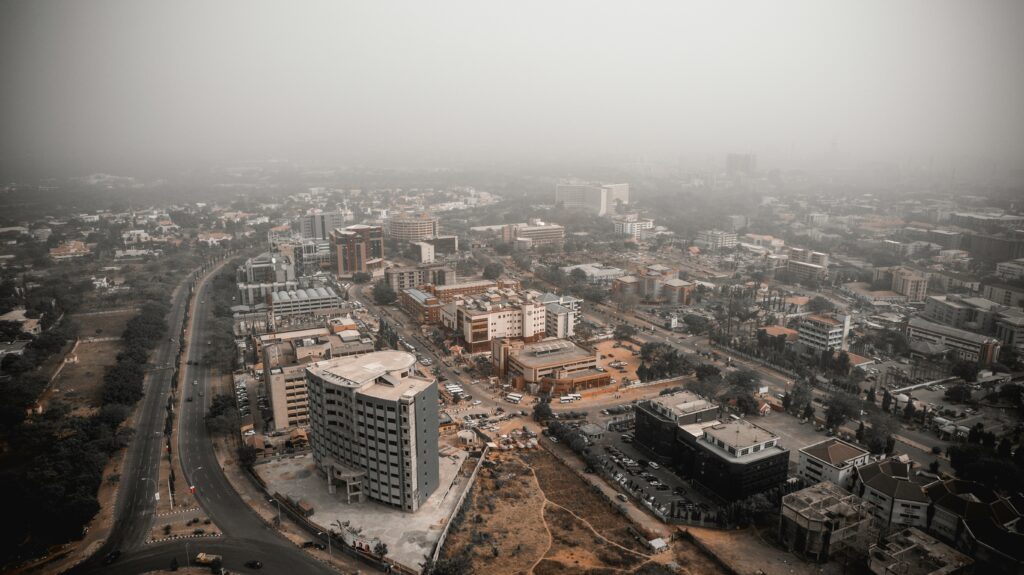
Abuja was built for three million people. It is now home to more than four million and growing faster than any infrastructure plan has managed to keep up with. Satellite towns that did not exist fifteen years ago are now absorbing hundreds of thousands of residents. Land that was bush a decade ago is now the subject of active developer interest. And the real estate sector is responding the way it usually responds in Nigeria reactively, without a coherent plan for what the city is becoming.
That needs to change.
A City Growing Faster Than Its Infrastructure
The Federal Capital Territory is expanding in every direction. Lugbe, Kuje, Gwagwalada, Kubwa, Nyanya, these are no longer peripheral settlements. They are functioning urban communities with their own commercial activity, their own housing demand, and their own infrastructure gaps that are widening faster than government can fill them.
Roads in these corridors are under pressure. Water supply is inconsistent. Drainage is inadequate. Power supply mirrors the national grid’s failures. And yet developers keep building because demand is real and buyers are there. The problem is that the buildings going up today are going up without the infrastructure to support them long term. That is a pattern Nigeria has repeated in Lagos, in Port Harcourt, in Kano. Abuja is now following the same script.
The consequences show up slowly at first. Then all at once. Flooding in areas that were not designed for drainage. Roads that deteriorate faster than they can be maintained. Communities that grow too large for the services available to them. These are not hypothetical risks. They are the documented outcome of unplanned urban expansion in every Nigerian city that has gone through this cycle before.
Where the Real Estate Opportunity Actually Is
None of this means developers should stay away from Abuja’s expanding corridors. It means they need to approach them differently.
Smart capital in Abuja right now is tracking infrastructure timelines, not just land prices. The roads being built, the water projects being commissioned, the power infrastructure being extended, these are the signals that separate speculation from genuine opportunity. A plot of land in a corridor with confirmed infrastructure investment behind it is a fundamentally different asset from one sitting in a growth area with no service delivery plan attached.
In addition, the expanding FCT presents one of Nigeria’s clearest opportunities for climate-resilient development at scale. Land is still relatively accessible. Density is still manageable. Planning frameworks are still being shaped. A developer who builds flood-resilient structures with proper drainage, passive cooling design, and energy efficiency into projects in these corridors today is building assets that will hold value as the city grows and as climate pressure increases.
The window for that kind of positioning does not stay open indefinitely. Lagos had it. Most developers missed it. Abuja’s secondary corridors have it right now.
What the Sector Must Do Differently
Abuja’s expansion is not going to slow down. The FCT Administration has ambitious development targets. Population projections show the territory continuing to absorb migrants from across the country as the capital city effect draws workers, students, and families seeking economic opportunity.
The real estate sector cannot afford to build for the Abuja that existed ten years ago. It needs to build for the city that is forming right now, denser, more diverse in income profile, more exposed to climate risk, and more dependent on infrastructure that the government alone cannot deliver fast enough.
That means developers engaging with the FCT Administration on planning frameworks before projects break ground, not after. It means mixed-income developments that serve the actual population moving into these corridors, not just the premium segment. It means green building standards applied as a baseline, not a marketing feature. And it means infrastructure co-investment between developers and government in areas where service delivery is lagging behind demand.
Conclusion
Abuja is not Lagos. It still has the chance to grow differently. The land is there. The demand is there. The infrastructure investment is beginning to follow. What is missing is a real estate sector that treats this moment with the strategic seriousness it deserves. The cities that get urban expansion right do so because the developers, investors, and policymakers inside them make deliberate choices early. Abuja’s window is open. The question is how long it stays that way.