
Lagos Just Digitised Its Building Approval Process. Here Is What That Means for Developers.
For anyone who has tried to get a building permit in Lagos, the process needs no introduction. Queues. Paperwork. Multiple trips to different offices. Approvals that should take weeks stretching into months. It has been one of the most consistent complaints in Nigeria’s real estate development community for years.
Lagos just moved to change that.
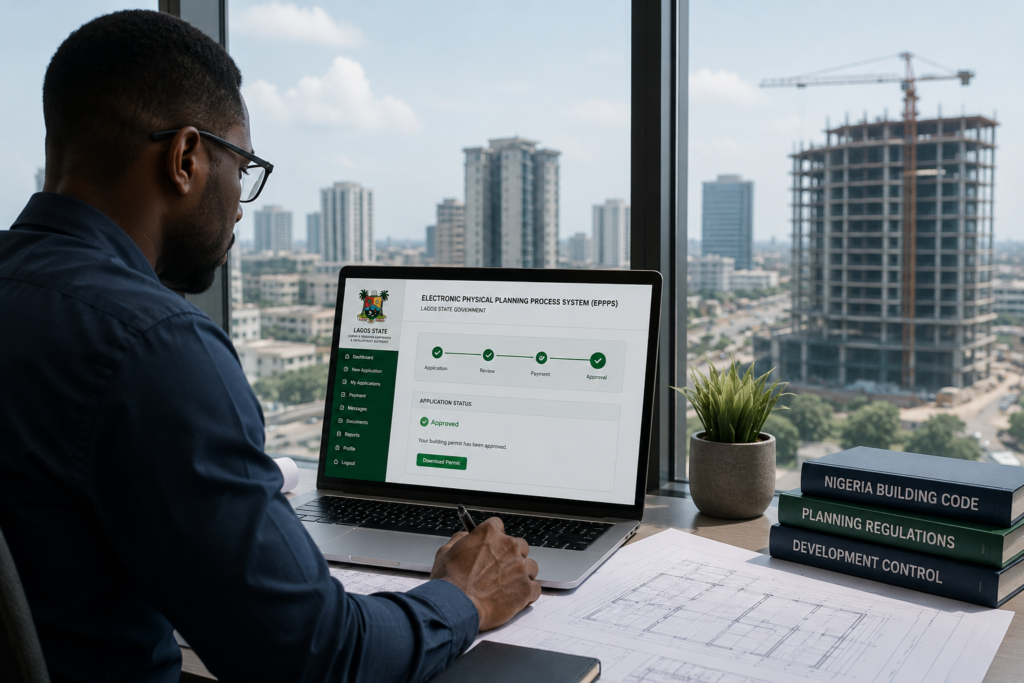
The Lagos State Government has deployed the Electronic Physical Planning Process System (EPPPS) to automate its building approval process. Applications, reviews, payments, and approvals now move through a digital platform instead of across physical desks. For a city that processes thousands of development applications annually, this is not a minor administrative update. It is a structural shift in how the development pipeline moves.
Why the Old System Was Costing the Market
The cost of a slow approval process in real estate is not just measured in frustration. It is measured in money.
Every week a building permit sits in a queue is a week a developer cannot break ground. Construction financing is running. Land holding costs are accumulating. Labour and materials are already volatile and can change significantly over a drawn-out approval period. In a market where construction costs have risen as sharply as they have in Nigeria over the past two years, delays at the approval stage translate directly into project cost overruns that developers either absorb or pass on to buyers.
In addition, the opacity of manual approval processes created room for informal payments that added unpredictable costs to development projects. Digitising the process removes a significant portion of that opacity. When applications move through a tracked digital system, the paper trail exists. That alone changes the incentive structure for everyone involved.
What EPPPS Changes for Developers
Before EPPPS, getting a building permit in Lagos meant physically walking into the Lagos State Urban and Regional Planning Authority multiple times. Now applications go in online. Progress is tracked. Approvals come back through the same system. That might sound basic. In Lagos, it is a significant change.
For smaller developers and first-time builders, this is particularly significant. Navigating the permit process in Lagos previously required either deep local knowledge or access to consultants who could manage the process on your behalf. A digital system with clear steps and visible timelines lowers that barrier. It makes compliance more accessible, not just for large developers with dedicated regulatory teams, but for the broader development community.
Meanwhile, for investors doing due diligence on Nigerian developments, a digitised approval trail also means better documentation. Verified, timestamped approval records are a different quality of evidence than paper permits that can be disputed, forged, or simply lost.
The Bigger Picture
Something is shifting in Lagos. The elevator enforcement last week. The digital approval system this week. These are not coincidences. A regulatory environment that was once easy to navigate informally is getting harder to ignore.
For the real estate sector, this is the environment it will be operating in going forward. The developers who treat compliance as a strategic priority not a bureaucratic inconvenience, will find themselves better positioned as Lagos continues to tighten its regulatory grip.
Nigeria’s largest city is getting serious about how it is built. The sector needs to get serious too.
Lagos Just Sealed Properties Over Elevator Violations. The Real Estate Sector Should Take That Seriously
Conclusion
EPPPS is a beginning, not an arrival. Digital systems still depend on the people and institutions running them. Enforcement still requires political will. But Lagos has taken a step that the real estate sector has been asking for and that step deserves recognition. The next question is whether the execution will match the ambition of the announcement.
Nigeria’s Land Tenure Problem Is the Real Estate Crisis Nobody Is Talking About