
Africa Energy Infrastructure Growth Will Shape Nigeria’s Future
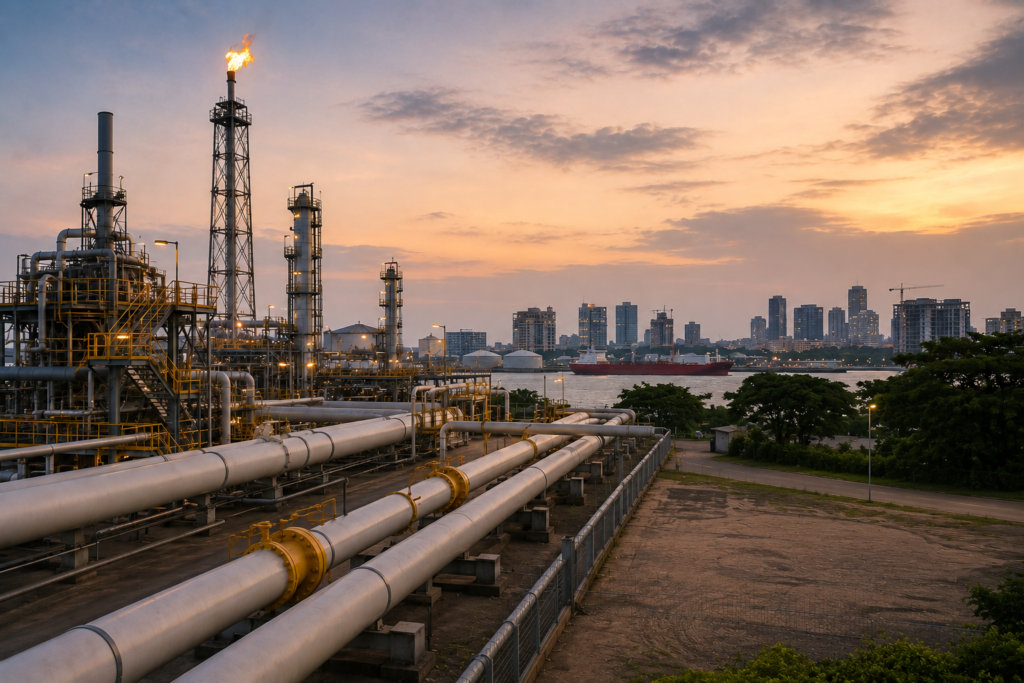
Africa is entering a new energy era, but the continent’s success may no longer depend on discovering more oil and gas reserves alone. Instead, experts now believe that Africa energy infrastructure growth will determine which countries truly benefit from their natural resources.
For decades, African nations chased discoveries. The infrastructure to make those discoveries useful was an afterthought. That is why so many energy-rich countries on this continent remain energy-poor in practice. Today, the conversation is changing. Governments and investors are beginning to understand that pipelines, power systems, storage facilities, ports, and transport networks matter just as much as natural resources themselves.
Nigeria presents one of the strongest examples of this challenge and opportunity.
Nigeria’s Energy Potential Remains Underused
Nigeria is one of Africa’s largest oil and gas producers. At the same time, millions of Nigerians still lack reliable electricity access. Many businesses and households continue to depend on generators because the national grid remains unstable.
In cities like Lagos and industrial hubs across the country, power shortages continue to affect manufacturing, housing, healthcare, and economic productivity. Investors price that instability into every decision they make in Nigeria.
Meanwhile, Nigeria holds enormous natural gas reserves that could support cleaner industrial growth and energy transition goals. Yet, inadequate infrastructure continues to slow progress. Without sufficient pipelines, gas processing plants, and distribution systems, many energy resources remain underutilized.
As a result, economic opportunities are lost daily.
Smart Money Is Moving Into Nigerian Real Estate. Here Is Where It Is Going.
How Africa Energy Infrastructure Growth Drives Sustainable Development
Strong infrastructure does more than improve energy supply. It also supports real estate growth, job creation, transportation, and climate resilience.
For example, large-scale projects like the Dangote Refinery and the Lekki industrial corridor show how infrastructure investment can transform entire communities. Roads, ports, housing estates, and commercial developments often grow around major energy projects.
In addition, energy infrastructure can help Nigeria move toward cleaner and more sustainable development. Natural gas is increasingly seen as a transition fuel that can reduce reliance on dirtier energy sources while supporting renewable energy expansion.
At the same time, climate-smart infrastructure can reduce environmental risks and improve long-term urban planning.
Policy Stability Is Essential
Despite its potential, Nigeria still faces major obstacles. Policy inconsistency, financing gaps, and slow project execution continue to discourage investors.
Therefore, government agencies must create stable regulations that attract long-term infrastructure financing. Private investors also need greater confidence that projects will remain commercially viable over time.
Most importantly, infrastructure planning must align with environmental sustainability goals. Nigeria cannot afford to pursue energy expansion without considering climate change and urban resilience.
Conclusion
Nigeria has the resources. What it has lacked is the infrastructure to turn those resources into consistent, broadly shared economic progress. That gap is the real opportunity in 2026, not another oil discovery, but the roads, pipelines, power systems, and policy frameworks that make what already exists actually work.
Enugu Real Estate Takes Off with Aviation Boom