
Climate Change Is Reshaping How Nigeria Builds, Says 1159 Realty CEO
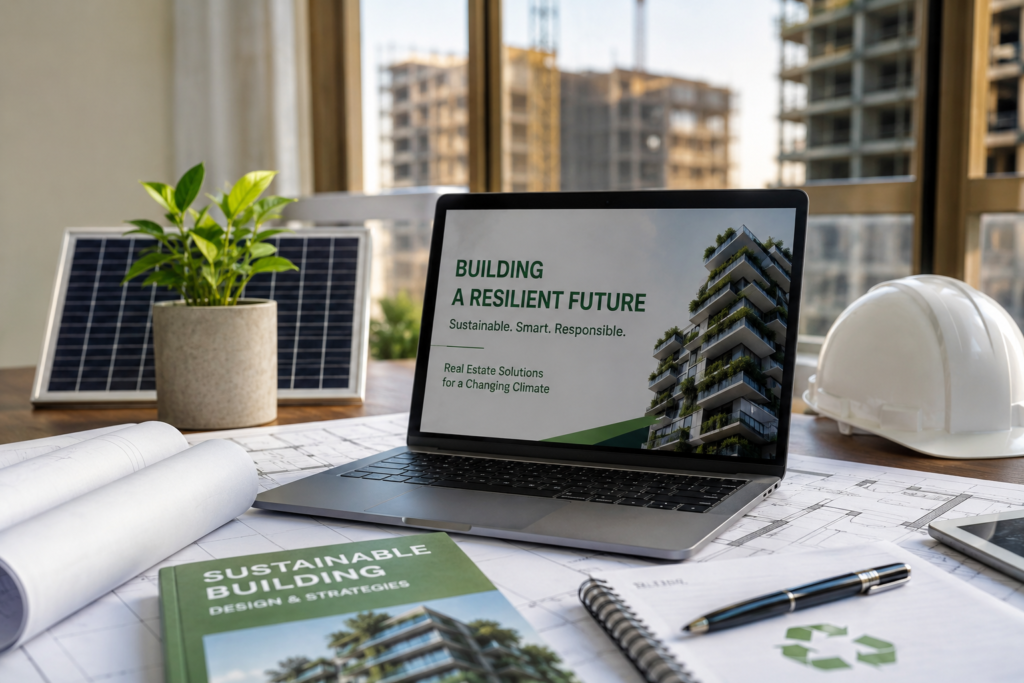
Comfort Olugbami, CEO of 1159 Realty, says climate resilient construction in Nigeria is no longer a distant risk, it’s already changing how developers build and how occupants live in them.
A Blurring Line Between Seasons
According to Olugbami, Nigeria’s dry and rainy seasons are becoming harder to predict. As a result, developers are being forced to rethink how buildings are designed. She urged the industry to prioritise resilient, efficient, and environmentally responsible construction. In her view, climate resilient construction across Nigeria and Africa is inevitable, not optional.
Climate Resilient Construction Without Sacrificing Returns
Olugbami said the real challenge is making climate resilient construction compatible with affordability and strong investment returns. Specifically, she pointed to solar energy, intelligent design, and efficient materials as ways developers can lower long-term operating costs. Meanwhile, these same measures can still deliver attractive yields to investors.
Technology as a Trust Builder
Beyond construction, Olugbami highlighted technology’s role in building investor confidence. For instance, 1159 Realty’s in-house tech team built a web platform where clients can make payments and track their real estate portfolios through a personalised dashboard. She says this tool strengthens trust in an industry where confidence “can sometimes be fragile.
Why Climate Resilient Construction Matters Now
Olugbami’s comments echo a broader shift in how Nigerian developers talk about climate risk. Instead of treating it as a future problem, they’re increasingly framing it as a design constraint shaping decisions today. Her emphasis on pairing sustainability with investor returns speaks directly to a common industry hesitation: that “green” building costs more than it earns back.
Conclusion
Whether the industry moves as fast as Olugbami expects will depend on how many developers are willing to build differently. That shift needs to happen before the next unpredictable season forces their hand.
OECD Climate Risk: $111 Trillion Threatens Real Estate in Nigeria