
Where Smart Money Is Going in Nigeria’s Real Estate Sector
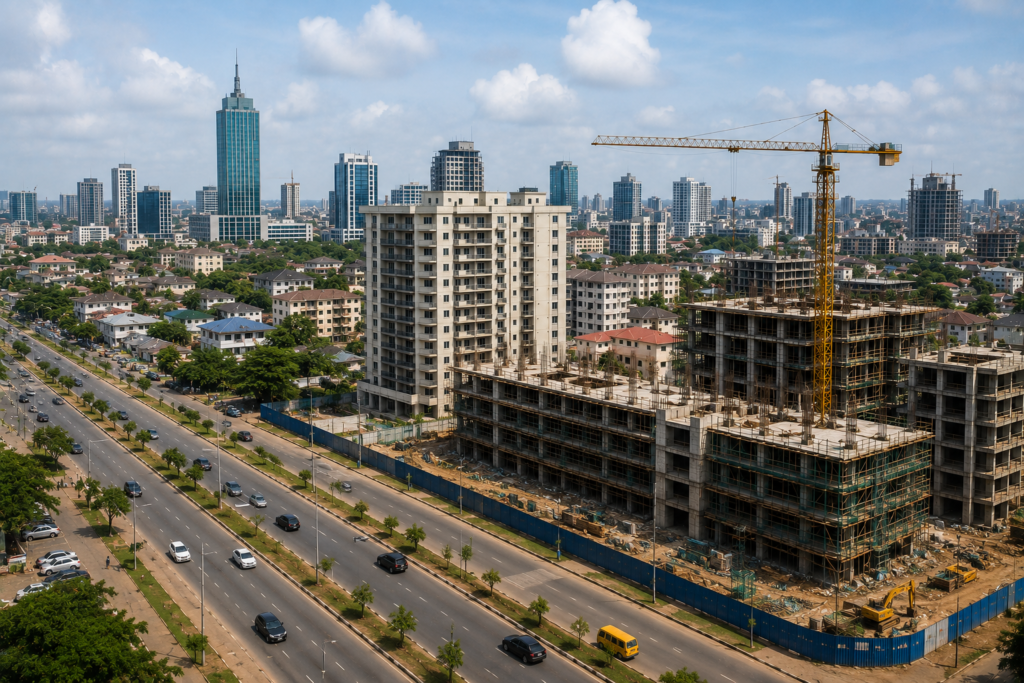
Nigeria’s real estate sector is entering a new phase. Demographic pressure, capital market deepening, and renewed policy attention on housing and infrastructure are reshaping where investment flows, according to a MarketForces Africa analysis. By 2026, the sector could unlock roughly N1 trillion in value across housing, commercial property, and mixed-use assets.
Where the Capital Is Moving
With a population above 220 million, Nigeria’s housing deficit remains large. That makes real estate both a social need and an investment opportunity. Investors are moving away from speculative land banking. Instead, capital is shifting toward affordable housing, logistics, industrial parks, and income-yielding residential assets, segments where demand is visible and cash flow is more predictable.
Government policy is also shifting. Land reforms, infrastructure concessions, housing finance initiatives, and public-private partnerships are reducing execution risk, particularly in urban corridors and emerging satellite cities. Infrastructure investment, roads, power, transport, and utilities, is expanding viable development zones and lowering long-term operating costs.
Empty Houses, Rising Rents: The Paradox of Lagos Real Estate
REITs Take Center Stage
Real Estate Investment Trusts (REITs) listed on the Nigerian Exchange are increasingly positioned as vehicles for long-term capital growth. As regulatory clarity improves, REITs are expected to expand access to affordable and mid-income housing, improve governance standards, and deliver more stable dividend yields. Increased REIT activity could also draw in institutional investors, including pension funds and foreign portfolio investors, further anchoring market liquidity.
Conclusion
If policy support and housing finance improve as expected, Nigeria’s real estate sector could shift from fragmented development toward large-scale, professionally managed housing. Whether that materializes will depend on execution, not just favorable conditions on paper.
Nigeria’s Real Estate at a Crossroads: Why Ethics Could Make or Break the Market
PRAISE SAMSON