
Ifako Community in Lagos Counts Losses As Torrential Rains Submerge Homes
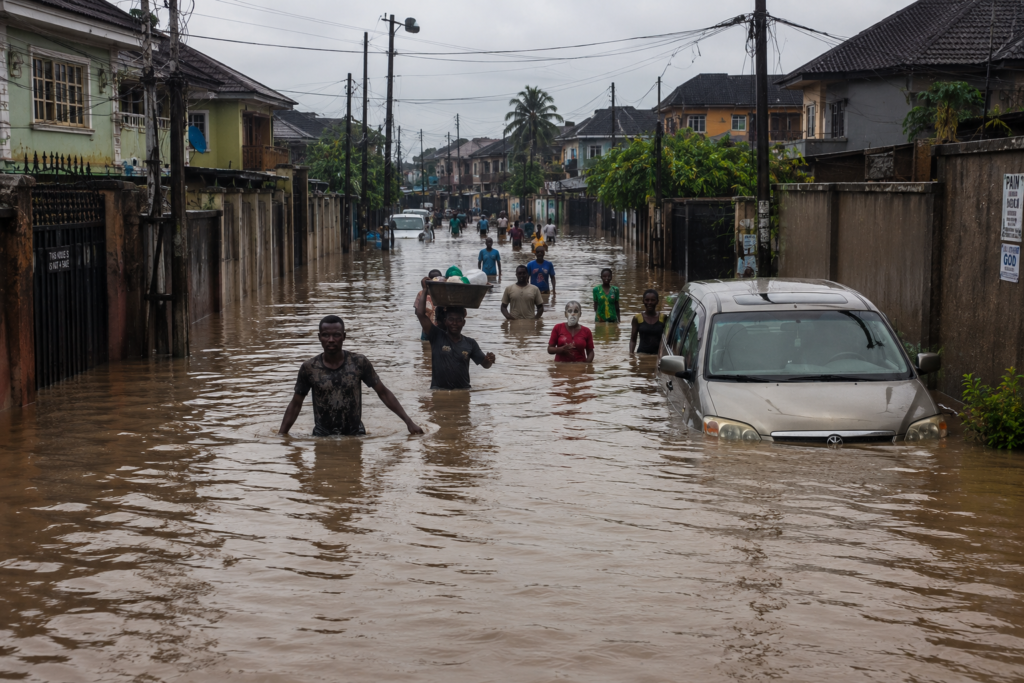
The Lagos flooding Ifako community story is becoming painfully familiar. The first heavy rains of the season have arrived. So have the familiar images.
Floodwater pushing through living rooms. Mattresses floating. Cars trapped. Children wading through waist-high water. Residents standing outside homes they can no longer enter.
This time, it was Ifako.
Several streets in Ifako Community were submerged after hours of torrential rainfall overwhelmed drainage channels, leaving homes flooded and residents counting losses. Furniture, electronics, food items, and personal belongings disappeared beneath muddy water in a matter of hours.
For the families affected, this is another disaster. For Lagos, it is another warning. The city keeps treating floods as emergencies. They have become infrastructure failures.
What Happened in Ifako
Residents described a familiar sequence. Heavy rain began. Drainage systems filled quickly. Water spilled onto roads before finding its way into homes. Within hours, entire compounds were flooded.
For many families, evacuation meant carrying whatever they could above the waterline while watching everything else disappear beneath it. Some residents blamed blocked drainage channels. Others pointed to years of uncontrolled development that have steadily reduced the natural spaces where floodwater once drained away. Both explanations can be true at the same time. Floods rarely have a single cause.
What is not in dispute is that this is not the first time. Ifako has flooded before. The streets look the same. The families counting losses look the same. The calls for action sound the same too.
Nigeria’s Flood Risk Real Estate 2026: What the Outlook Means.
Lagos Is Running Out of Room for Water
Lagos has always experienced heavy rainfall. What has changed is the city itself.
Open land that once absorbed stormwater has gradually disappeared beneath concrete. Wetlands have been reclaimed for development. Meanwhile, drainage infrastructure designed decades ago now serves communities far larger than planners originally anticipated. Climate change is making rainfall events more intense on top of all of this.
The result is predictable. When intense rainfall meets inadequate drainage and rapid urbanisation, neighbourhoods like Ifako become temporary rivers. The rain is only part of the problem. The city is the other part.
It is worth noting that the Lagos State Government recently announced emergency drainage improvement works on Baale Animashaun Road in the neighbouring Ifako-Ijaiye area. A new culvert is being constructed to allow stormwater from Adfarm Estate and surrounding communities to flow safely rather than backing up into homes. The works began on June 15, 2026 and are expected to run for eight weeks. That intervention is necessary and welcome. But it also confirms what residents already know. The drainage infrastructure in this corridor was not built to handle the city that now surrounds it.
This Is Becoming a Housing Story
Floods do more than damage property. They reshape housing markets.
Every community that floods repeatedly becomes less attractive to buyers, tenants, and lenders. Insurance becomes more expensive where it exists at all. Property values weaken. Developers become more cautious. Families that can afford to relocate often do. Those who cannot simply rebuild and wait for the next rainy season.
That cycle quietly deepens inequality across the city. As a result, climate risk is becoming housing risk. And housing risk eventually becomes an economic problem that nobody budgeted for.
Building Differently Is No Longer Optional
The conversation after every flood usually focuses on emergency response. Food relief. Temporary shelter. Drainage clearing. Those interventions matter. But they do not stop the next flood.
The longer-term conversation is about how Lagos builds. Developments approved without proper drainage studies. Construction blocking natural water channels. Communities expanding faster than supporting infrastructure. Stormwater systems designed for yesterday’s population. These decisions accumulate over years before revealing themselves during one afternoon of heavy rainfall.
In a city that has been tightening building approvals, enforcing elevator safety standards, and publishing lists of estates operating without layout permits, the same energy needs to reach drainage. Clearly, a building that passes every structural inspection but floods every rainy season is not a building that works.
Lagos Building Approval Goes Digital: What Developers Must Know.
What Government Should Prioritise
Responding after floods is necessary. Preventing them is leadership.
That means maintaining drainage systems before the rains begin rather than after they overflow. It means protecting the wetlands that still remain instead of approving developments that eliminate them. It means enforcing planning regulations consistently rather than selectively. And it means treating flood-risk mapping as a core part of every development approval, not an optional study that developers commission and file away.
What Buyers Should Learn
For homebuyers, this is another reminder that location cannot be judged by appearance alone. A beautiful estate means little if access roads become impassable every rainy season.
Before purchasing property, buyers increasingly need to ask different questions. Has this area flooded before? How does stormwater leave the neighbourhood? Is there functioning drainage infrastructure? Has surrounding development altered natural water flow? These are not technical questions. They are the basic due diligence that protects a purchase from becoming a liability.
Indeed, climate resilience is becoming part of due diligence. Ignoring it is becoming expensive.
Conclusion
The families in Ifako will clean their homes. Replace damaged furniture. Repair cracked walls. Life will continue, because it always does. The harder question is whether Lagos will continue rebuilding communities into the same vulnerability every rainy season. Flooding is no longer simply about weather. It is about planning. It is about infrastructure. And increasingly, it is about whether Nigeria’s largest city is building for the climate it already has rather than the one it wishes still existed.