
Nigeria’s Building Collapse Crisis
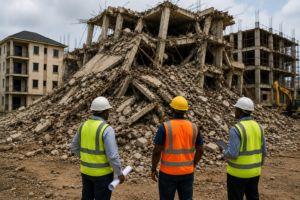
Nigeria has recorded over 600 building collapses between 1974 and 2024, according to industry reports. The causes have remained consistent across decades: substandard materials, compromised structural designs, unqualified contractors, and regulatory oversight that rarely reaches construction sites before something goes wrong.
Why Enforcement Is the Real Problem
Nigeria’s National Building Code has existed since 2006. Most states have their own planning and development laws. The legal framework is not absent. What is absent is consistent enforcement at the point where it matters most, the construction site.
Approved drawings are modified without notification. Materials specified in structural calculations are substituted for cheaper alternatives on site. Inspections that should happen at critical construction stages either do not happen or happen without the technical rigour needed to catch problems before they become disasters.
What Needs to Change
Third-party structural inspections, mandatory at key construction stages, would change the incentive structure for developers and contractors. Professional liability for engineers and architects who certify buildings that subsequently collapse also needs to be real and enforceable. Currently the consequences for signing off on a substandard structure are limited. Until they are not, the incentive to cut corners remains.
Lagos Building Safety Real Estate: Properties Sealed Over Elevator Violations.
Conclusion
Building collapse in Nigeria is the predictable outcome of a system where the consequences of cutting corners are low and the financial incentives to cut them are high. The sector knows what needs to change. The question is whether the regulatory environment will develop the consistency to make those changes stick.
Lagos Estate Approval Nigeria: 176 Estates Without Permits.
PRAISE SAMSON