
REDAN Urges Developers to Build for Nigeria’s Climate Reality, Not Against It
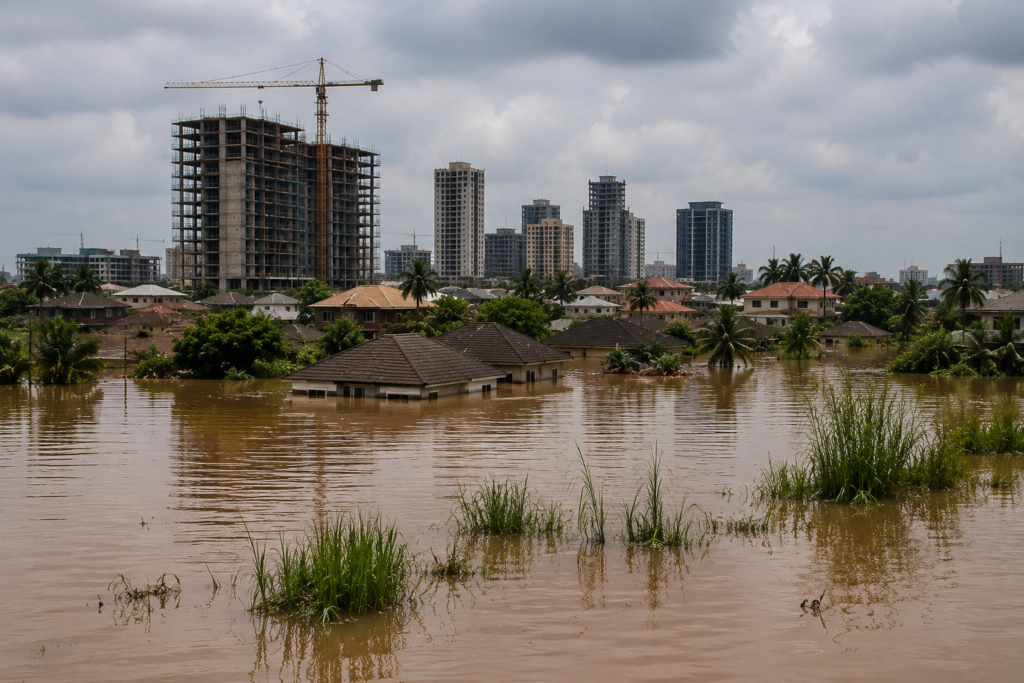
The Real Estate Developers Association of Nigeria (REDAN) says the country’s housing sector can no longer treat climate change as someone else’s problem. Every flood-damaged community proves the point, so does every erosion-threatened settlement. For REDAN, the built environment must become part of the climate solution, not a bystander to it.
Why REDAN Is Speaking Up Now
REDAN made the call around World Environment Day. The association warned that flooding, drought, desertification, coastal erosion, and biodiversity loss are already reshaping how Nigerians build and live. Housing development and climate action must move together, REDAN said. After all, the future of Nigeria’s cities depends on resilient, sustainable planning.
REDAN grounded its position in five core values it calls ATIPS: Advocacy, Transparency, Innovation, Professionalism, and Sustainability. The association wants these principles to guide every player in the real estate value chain, from developers to regulators.
Rainstorm Levels 20 Homes in Plateau Community
What REDAN Wants to Change
REDAN called for stronger policies and regulatory frameworks. These should support climate-resilient housing, sustainable urban planning, green infrastructure, responsible land administration, and environmental stewardship. Additionally, REDAN urged developers to adopt Environmental, Social, and Governance (ESG) principles. ESG adoption, the association argued, improves transparency and helps attract the long-term investment the sector badly needs.
The Bigger Pattern
REDAN’s warning fits a pattern this year. Developers and regulators keep repeating it. Nigeria’s housing stock keeps absorbing damage from storms and floods, from Plateau to Lagos. Meanwhile, construction and financing gaps make resilient building harder to scale. REDAN’s push for coordinated policy, rather than isolated fixes, echoes something the industry increasingly recognises: climate adaptation has to be built into housing finance and planning from the start, not added afterward.
Conclusion
REDAN’s message is simple. Nigeria cannot keep building the same way and expect a different outcome from the next flood season. Whether developers and regulators turn ATIPS into actual policy, rather than a conference talking point, will determine how much of Nigeria’s future housing stock survives its climate.
AI Flood Risk Lagos Real Estate: What Developers Must Know
PRAISE SAMSON